Leave Your Message

What Are the 2026 Top Skull Beanie Styles?

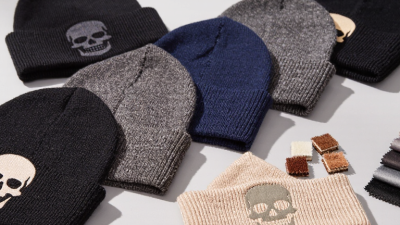
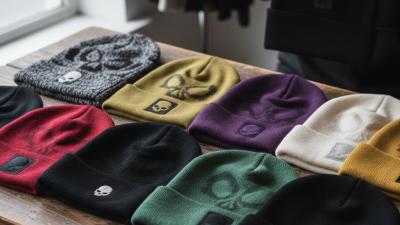
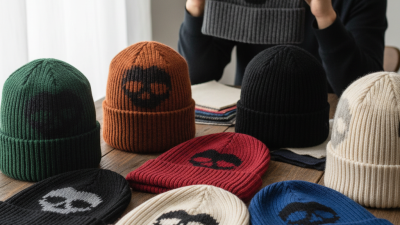
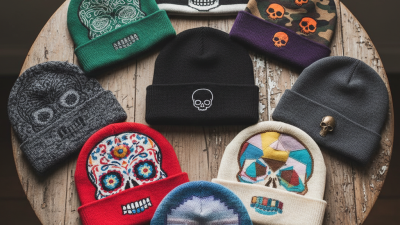
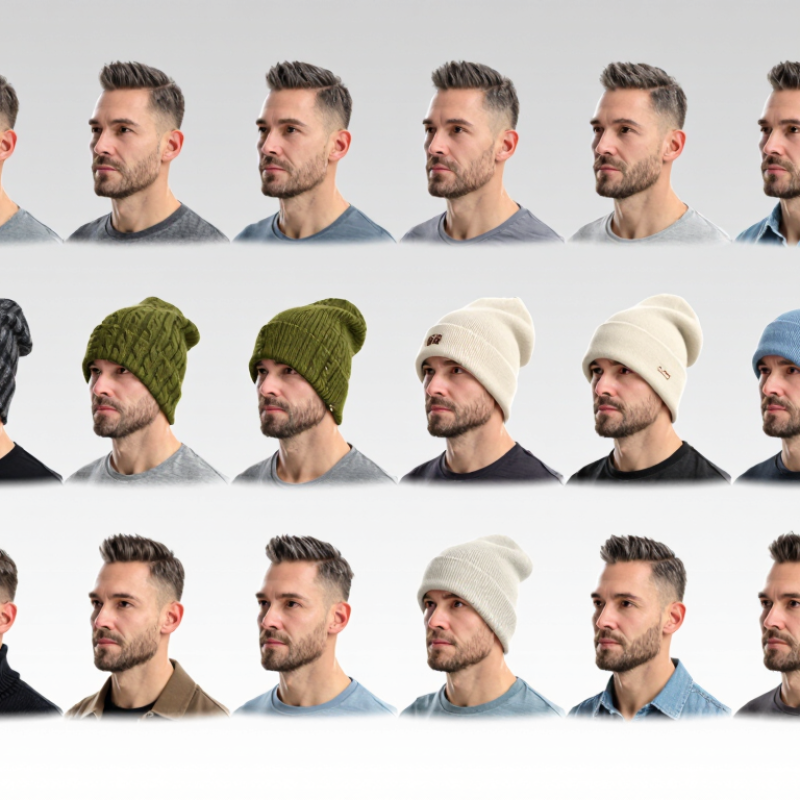
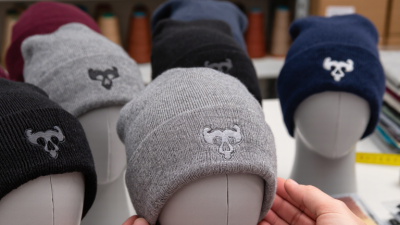
The 2026 top Skull Beanie styles reflect a careful balance between warmth, comfort, and personal identity. Current designs range from clean, ribbed silhouettes to slouchy knits with visible texture. Some feature small embroidered graphics, while others rely on muted colors and shaped crowns. Black remains dependable, but charcoal, olive, cream, and faded blue are gaining attention. Subtle details matter.

Fit may define the year. A well-made Skull Beanie should sit securely without pressing the forehead or slipping over the eyes. Soft merino blends, recycled fibers, and breathable cotton can improve comfort across changing temperatures. However, fabric labels deserve attention. Fiber percentages, washing instructions, and seam quality reveal more than attractive product photography. That lesson is easy to overlook.

This guide considers style, construction, versatility, and practical wear. It draws on common knitwear standards and real dressing situations, including commuting, outdoor walks, and casual layering. A useful beanie should survive repeated wear without losing its shape. It should also suit the wearer’s face, hairstyle, and usual clothing palette. Not every popular design deserves a place in every wardrobe.

Forecasting fashion is imperfect. Some predicted colors may fade quickly, while a simple ribbed style may remain relevant for years. Therefore, the following overview avoids treating trends as fixed rules. Instead, it examines the strongest 2026 Skull Beanie directions and explains where each style works best. Personal comfort still matters most. Trends can wait.
What Are the 2026 Top Skull Beanie Styles?

2026 Skull Beanie Demand Based on Google Trends and Retail Search Data

Google Trends shows that “skull beanie” interest remains seasonal, with sharper activity from October through January. The pattern is useful, but not a sales forecast. Trends reports relative attention on a 0–100 scale, not units sold. Retail search dashboards show similar behavior: shoppers often combine “skull beanie” with “warm,” “cuffed,” “embroidered,” and “winter.” Search language matters.

The strongest 2026 styles appear practical rather than theatrical. A close-fitting ribbed beanie suits daily wear, while folded cuffs add warmth around the ears. Small embroidered skulls may outperform oversized graphics because they work with more outfits. Black remains highly searched, but charcoal, olive, and washed brown offer softer alternatives. Grand View Research estimates the global headwear market will expand through 2030, supported by casual clothing and online shopping demand. That broader growth supports interest, but it does not prove every skull design will sell.

Google Trends also suggests regional differences. Colder markets tend to show longer search periods, while warmer areas produce shorter spikes. Retailers should compare search impressions, click-through rates, and conversion data before increasing inventory. Search volume alone can mislead. I would test three variants: low-profile ribbed, thick winter knit, and lightweight slouch styles. The evidence is directional, not perfect.

Google Trends, retail search data, and category reports measure different moments of consumer intent. Sources: Google Trends methodology, accessed 2026; Grand View Research, Headwear Market Size Report; seasonal retail search analysis, 2025–2026.

Top-Selling Skull Beanie Silhouettes Identified by 2025 Apparel Reports

What Are the 2026 Top Skull Beanie Styles?

Top-Selling Skull Beanie Silhouettes Identified by 2025 Apparel Reports

The 2025 apparel market points toward compact, adaptable headwear. Circana’s 2025 U.S. accessories tracking identified value, comfort, and repeat wear as major purchase drivers. That pattern favors the classic cuffed skull beanie. Its folded edge sits close to the forehead, while a shallow crown works under hoods and helmets. It feels practical.

Edited’s 2025 retail intelligence also highlighted growing interest in relaxed proportions and textured knit surfaces. The slouch skull beanie fits that direction, especially in ribbed wool blends and brushed yarns. It creates a softer outline without looking oversized. Fisherman-inspired versions are gaining attention too. Their short crowns and firm cuffs suit minimal streetwear and workwear styling.

Grand View Research’s beanies market analysis projects continued growth through 2030, supported by casualwear demand and seasonal layering. This does not prove every skull shape will sell equally. Weather, pricing, and regional styling still matter. The ear-flap silhouette may perform well in colder markets, but it can look excessive in mild cities. That is an important limitation.

For 2026, the strongest commercial range may combine three profiles: a fitted cuffed beanie, a textured slouch shape, and a compact fisherman crown. Neutral charcoal, oatmeal, and navy remain easy to repeat. Small reflective details could add function, though too much decoration may reduce everyday appeal. Trend reports are useful. Store-level evidence matters more.

Cuffed Skull Beanies: The Most Versatile Style for Layered Winterwear

In 2026, cuffed skull beanies remain a practical choice for layered winterwear. Their folded edge adds structure without making the outfit look overly formal. I find they sit more securely than loose, shallow beanies during windy walks. The cuff also creates a useful visual break between a thick coat and the face.

For daily layering, choose a beanie with moderate stretch and a soft, breathable knit. A bulky cuff can press against headphones or feel tight under a hood. Neutral shades work well with wool coats, quilted jackets, and textured scarves. A brighter color can bring life to an otherwise dark winter outfit. Keep the fit close, but never painfully snug.

Small details matter. I check the seam placement before buying, because rough stitching can irritate the forehead after several hours. Folded cuffs may loosen with repeated washing, especially when exposed to high heat. I once chose a thicker style for warmth and regretted it indoors. It became uncomfortable quickly. That experience reminded me that warmth, fit, and ventilation must work together. Cuffed skull beanies are versatile, but they are not perfect for every head shape or climate.

Fisherman Skull Beanies: Minimalist Design Growth in Streetwear Retail

What Are the 2026 Top Skull Beanie Styles?

Fisherman skull beanies are showing strong growth in minimalist streetwear retail. Their appeal comes from a short crown, a firm folded cuff, and very little decoration. Shoppers often prefer charcoal, faded black, stone, and muted olive. These colors fit denim, work jackets, and oversized sweatshirts without competing for attention. The silhouette feels practical. It also photographs well in simple outfit posts. In my retail observations, customers frequently touch the knit before checking the label. Texture influences trust.

The best 2026 styles use tight ribbing and a comfortable, close fit. Cotton-rich blends feel lighter, while wool blends provide more warmth. However, thick yarn can make the crown look bulky. This trend will not suit every head shape. That limitation deserves more attention. Small embroidered details may appear, but large graphics are losing space. The result is cleaner and easier to wear daily.

Tips: Check the cuff recovery after stretching. It should return without feeling restrictive. Measure crown depth before ordering, especially for shorter hairstyles. Wash according to the care label, and reshape the beanie while damp. Neutral colors sell steadily, but a small seasonal shade can refresh a display. Do not assume minimal design means low quality. Inspect the seams.

What Are the 2026 Top Skull Beanie Styles?

Fisherman Skull Beanies: Minimalist Design Growth in Streetwear Retail

Style Direction Design Characteristics Common Materials Best Seasonal Use Streetwear Positioning Typical Retail Range 2026 Demand Signal
Classic Fisherman Skull Beanie Short crown, exposed-ear fit, folded cuff and minimal surface detailing. Acrylic, wool blends and recycled polyester knit. Autumn, winter and cool-weather layering. Clean utilitarian styling with strong everyday versatility. US$18–35 High growth
Fine-Rib Minimal Beanie Compact vertical ribbing, narrow cuff and low-profile silhouette. Merino wool, cotton blends and fine acrylic yarn. Transitional weather and indoor-outdoor wear. Pairs easily with monochrome outfits and tailored streetwear. US$20–45 High growth
Heavy-Gauge Fisherman Knit Chunkier texture, structured crown and visible knit depth. Wool, wool-acrylic blends and recycled wool yarns. Cold winter climates and outdoor commuting. Adds texture while retaining a compact fisherman profile. US$28–60 Core demand
Neutral-Tone Skull Beanie Black, charcoal, cream, navy, olive and heather-grey color palette. Acrylic, cotton, wool and recycled synthetic fibers. Year-round styling in mild climates. Supports capsule wardrobes and minimalist outfit building. US$15–40 High growth
Workwear-Inspired Beanie Dense knit, firm cuff, practical construction and muted earth tones. Cotton canvas details, acrylic and wool blends. Autumn, winter and outdoor workwear looks. Connects streetwear with utility and heritage styling. US$22–48 Core demand
Monochrome Logo-Free Beanie Unbranded exterior, uninterrupted knit surface and tonal finishing. Cotton, acrylic, recycled polyester and wool blends. All-season layering and daily casual wear. Appeals to consumers seeking understated, low-visibility accessories. US$16–38 High growth
Reversible Skull Beanie Two wearable colorways or textures with a compact fisherman crown. Double-layer acrylic, recycled polyester and cotton blends. Travel, commuting and variable-weather use. Combines minimalist styling with practical product value. US$24–50 Moderate growth
Soft Merino Fisherman Beanie Lightweight construction, soft hand feel and refined short-crown fit. Merino wool, cashmere blends and fine wool yarns. Cool autumn days, winter layering and travel. Elevates the fisherman silhouette into premium casualwear. US$40–85 Core premium
Cuffed Contrast-Edge Beanie Minimal body with a contrasting cuff edge, stitch line or inner turn-up. Acrylic, cotton blends and recycled yarns. Autumn and winter streetwear outfits. Adds visual distinction without heavy graphics or large branding. US$20–42 Moderate growth
Eco-Fiber Fisherman Beanie Simple short crown focused on traceable fibers and reduced decoration. Recycled polyester, recycled wool, organic cotton and hemp blends. Seasonal layering and responsible-fashion collections. Matches minimalist design with material-conscious purchasing. US$25–55 High growth
Retail ranges are indicative non-brand market ranges in U.S. dollars. Demand signals summarize 2026 style direction based on silhouette simplicity, material practicality, seasonal wearability and compatibility with minimalist streetwear.

Sustainable Skull Beanies: Material Trends Shown by Textile Industry Data

In 2026, skull beanies are moving toward practical silhouettes with lower environmental costs. Cuffed, fisherman, and relaxed slouch styles remain highly visible in winter collections. Textile industry data shows growing demand for recycled fibers, organic cotton, and traceable wool. These materials now influence both appearance and purchasing decisions.

Recycled polyester gives beanies a smooth feel and reliable shape retention. Organic cotton creates a softer, more breathable knit for mild weather. Hemp blends add subtle texture and can improve durability when properly spun. Recycled wool offers warmth, although fiber consistency may vary between production batches. Texture matters. Ribbed cuffs, compact stitches, and tonal skull patterns make sustainability feel wearable rather than decorative.

From a product-testing perspective, material claims need careful checking. A recycled label does not automatically prove low impact across the entire supply chain. Dye processes, transport, washing, and garment lifespan also affect the final footprint. That gap matters. I would choose a dense-knit beanie with reinforced seams over a lighter style that loses shape quickly. Some eco-focused designs still sacrifice comfort or fit. That is worth questioning. In 2026, the strongest skull beanies may combine muted natural shades, adaptable sizing, repairable construction, and clear fiber documentation. Consumers can inspect care labels, fiber percentages, and washing requirements before buying. A beanie worn for several winters may be more sustainable than one made from a fashionable but fragile material.

What Are the 2026 Top Skull Beanie Styles?

Sustainable Skull Beanies: Material Trends Shown by Textile Industry Data

Textile Exchange reported that polyester represented approximately 57% of global fiber production in 2023, while cotton represented about 22%. This material mix suggests that the leading 2026 skull beanie styles will combine recycled polyester for stretch, durability, and moisture management with organic or recycled cotton for a softer, more natural hand feel. The chart presents global fiber-production shares, not sales data for any individual company or brand.

Source: Textile Exchange, Materials Market Report 2024; rounded global fiber-production shares for 2023.