Why Are Skull Beanies So Popular Worldwide?
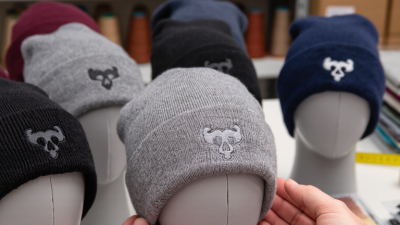
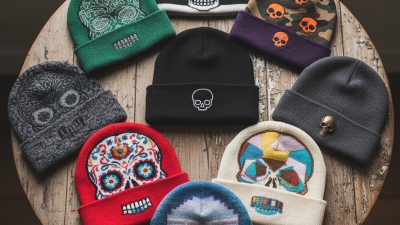
A Skull Beanie has become more than a winter accessory. It now appears in city streets, cycling routes, music venues, and outdoor workplaces worldwide. Its close-fitting shape keeps the ears warm without adding much bulk. That practical detail matters when people move through crowded trains or windy sidewalks.
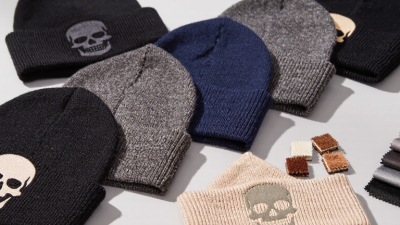
The appeal also comes from identity. A dark knitted Skull Beanie can suggest confidence, independence, or a relaxed streetwear attitude. Bright colors and embroidered designs create different impressions. Textile professionals often examine yarn softness, stretch recovery, breathability, and stitching quality before recommending one. These details affect comfort during long wear. They also influence how well the beanie holds its shape after washing.
Cultural context matters too. In colder regions, people may choose it for warmth first. In warmer markets, style may be the stronger reason. Social media has helped spread these choices across borders, but popularity is not explained by visibility alone. Personal experience shows that fit often decides whether someone wears the item repeatedly. A beanie that slips upward or traps too much heat quickly loses appeal.
Not every claim is convincing. Some discussions treat the Skull Beanie as universally flattering, which is too simple. Head shape, hairstyle, climate, and fabric preference all change the experience. Reliable guidance should recognize these differences. The worldwide popularity of this accessory is therefore best understood through comfort, visual identity, adaptable design, and changing cultural habits. The explanation is useful, but never complete.

Origins and Definition of Skull Beanies
A skull beanie is a close-fitting knitted cap that covers the crown and usually sits above the ears. Its shape follows the head instead of creating a loose, folded silhouette. Some versions leave the ears partly exposed, while others provide full coverage. The term “skull” describes the snug fit, not a fixed decoration or design.
Its exact origin is difficult to prove. Similar caps appeared in practical clothing traditions used by sailors, workers, athletes, and outdoor communities. They offered warmth without bulky fabric getting in the way. Knitted wool was common in colder regions, while cotton and lighter blends suited milder climates. The history is less tidy than many online descriptions suggest.
Over time, the skull beanie moved from functional clothing into everyday streetwear and winter dressing. People value its compact shape, easy storage, and ability to suit different hairstyles. In my experience, a well-fitting cap stays comfortable during commuting, walking, or short outdoor work. Fit still matters most. A tight edge can cause pressure, while a loose crown may slide backward. Materials also change the experience: wool retains heat, but sensitive skin may prefer a softer blend. Even the definition is not perfectly consistent, because sellers and wearers sometimes use “skull beanie” for several closely related cap styles.
How Skull Beanies Became a Global Fashion Item
Skull beanies began as practical knitted caps, valued for warmth, compact storage, and easy daily wear. Over time, their close fit made them useful under helmets, hoods, and winter jackets. It travelled well. Workers, athletes, musicians, and streetwear communities adapted the look in different places. Each group added local meaning without changing the basic silhouette. That flexibility helped a practical object become a recognizable fashion item.
Global fashion rarely spreads through one source. Photography, online communities, tourism, and international shipping exposed shoppers to new styling ideas. A person in a humid city might wear a thin cotton version, while someone in northern weather chooses dense wool. Neutral colors suggest restraint; bright patterns create visibility. Fit matters too. An experienced wearer checks stretch, seam comfort, and breathability before judging appearance. Those details influence whether the item becomes a habit or stays a short-lived trend.
From my own observation, the beanie works because it frames the face without demanding a complete outfit. I have seen it move from outdoor settings to cafés, classrooms, and evening gatherings. Still, popularity does not prove universal comfort. Some people find tight ribbing irritating, and poor fiber choices can trap heat. I once underestimated that problem. I was wrong. Season, head shape, and skin sensitivity deserve more attention in fashion writing. A better conversation would include comfort, climate, and personal identity alongside photographs.
Why Are Skull Beanies So Popular Worldwide?
Regional search interest for “skull beanie” illustrates how the item connects with alternative fashion, cold-weather practicality, and globally shared visual culture.
Data source: Google Trends, relative search interest for the exact phrase “skull beanie,” 2024 annual comparison. Values are indexed from 0 to 100, where 100 represents the highest interest among the regions shown.
Why Different Communities Embrace Skull Beanies
Why Are Skull Beanies So Popular Worldwide?
Why Different Communities Embrace Skull Beanies
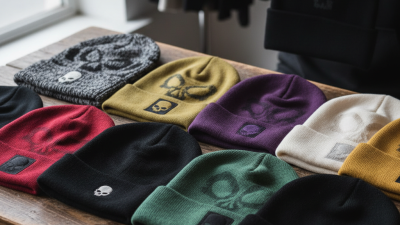
Skull beanies have moved beyond simple winter clothing. Their close fit protects the head without feeling bulky. They are practical, too. In cold city streets, cyclists appreciate their warmth under a helmet. Outdoor workers often value the soft stretch and easy storage. I have noticed that wearers also use them to shape their appearance. A dark beanie can create a quiet, confident impression. Bright colors can make the same item feel playful.
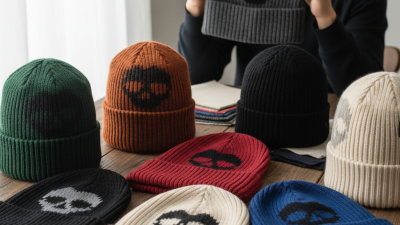
Different communities attach different meanings to this small accessory. In creative circles, skull designs may suggest independence, imagination, or a taste for unusual symbols. Sports supporters sometimes choose them because they fit active routines and casual clothing. Travelers may prefer them because one lightweight item works across changing weather. In some places, the symbol feels bold. In others, it simply looks fashionable.
Context changes everything. A skull image may represent resilience to one person and rebellion to another. Family traditions, age, religion, and local customs can affect that response. This is why calling skull beanies universally edgy would be too simple. Some people wear them without thinking about symbolism at all. I have also found that comfort often matters more than identity. The design attracts attention, but the fit decides whether people keep wearing it. Even so, not every skull beanie suits every face or setting. Personal taste remains the final judge.
Cultural Influence and Future Trends of Skull Beanies
Skull beanies have moved beyond cold-weather clothing. Their compact shape combines warmth, anonymity, and visual attitude. The skull symbol can suggest rebellion, mortality, music, or local street culture. Meanings change across regions. That flexibility helps the item travel without losing its edge. In my experience, wearers often choose a skull beanie because it feels personal, not polished. That observation is useful, but it is not universal.
Cultural influence will shape future trends more than seasonal novelty. Grand View Research estimated the global headwear market at about USD 26.5 billion in 2023, with a projected 6.2% CAGR from 2024 to 2030. Skull beanies may benefit from this wider growth, especially through gender-neutral styling and online communities. The Business Research Company also identifies digital commerce and changing fashion preferences as major headwear drivers. Future designs may use recycled fibers, traceable materials, lighter insulation, and adjustable fits. Digital fitting tools could reduce returns. They will not replace touch.
Tips: Choose a breathable knit for indoor wear and a tighter rib structure for wind. Check seam comfort around the forehead. Consider the symbol’s cultural meaning before wearing it abroad. Neutral colors usually travel well, but local styling matters. Avoid assuming every skull motif communicates the same message. That assumption deserves reconsideration.