Leave Your Message

What Are the Top Sports Hat Types for 2026?

What Are the Top Sports Hat Types for 2026? This question reaches beyond color trends and logo placement. A dependable Sports Hat must manage heat, sweat, sunlight, movement, and personal style during real activity. On a windy morning run, a loose brim becomes distracting. Under bright summer light, poor coverage quickly becomes uncomfortable.

Bill Bowerman, Nike co-founder and a pioneer in athletic product design, offered a useful perspective: “If you have a body, you are an athlete.” His words remind us that sports headwear should serve ordinary people, not only elite competitors. That includes runners, hikers, golfers, tennis players, cyclists, and weekend walkers.

This guide examines the leading Sports Hat types expected to matter in 2026. It compares lightweight running caps, breathable five-panel hats, structured performance caps, wide-brim sun hats, visors, and adaptable bucket hats. Materials, ventilation, sweat control, fit security, UV coverage, and packability will shape the discussion. Small details matter. Think laser-cut vents, soft sweatbands, adjustable closures, and brims that hold their shape.

Predictions are not promises.

Consumer preferences can shift quickly. A recycled fabric may sound impressive, yet feel uncomfortable after an hour of heat. A fashionable visor may work on a tennis court, but fail during a windy trail session. Therefore, this overview balances industry direction with practical testing logic. It also recognizes an uncomfortable truth: no single Sports Hat suits every activity, face shape, climate, or budget.
What Are the Top Sports Hat Types for 2026?

How Sports Hats Support Performance and Protection

What Are the Top Sports Hat Types for 2026?
How Sports Hats Support Performance and Protection

Sports hats do more than complete an outfit. A well-fitting cap can shade your eyes, help manage sweat, and keep hair away from your face during practice. Lightweight running caps often use breathable fabric and a curved brim, while bucket hats offer wider coverage for outdoor training. For cycling or team sports, a close-fitting design may sit more securely under a helmet or during quick movement. Fit matters. A hat that slips or traps heat can become a distraction.

Choose a hat for the conditions, not just its appearance. Look for a sweatband that feels comfortable against your forehead and fabric that dries reasonably quickly. For long sessions in bright sun, a broad brim or neck coverage may provide more shade, though no hat replaces sunscreen or other sun-protective clothing. Check the care label, too; salt and sweat can wear down materials over time. Small details count.

Tips: Try the hat during the activity you plan to do. Adjust the strap so it stays put without pressure, and test your vision with the brim in place. If the fabric feels hot in a short trial, it may feel worse after an hour. I’ve found that fit can be easy to overlook when shopping, and a stylish cap is not always the most practical one.

Key Features That Distinguish Sports Hats

What Are the Top Sports Hat Types for 2026?

Key Features That Distinguish Sports Hats

A running cap, a wide-brim trail hat, and a visor solve different problems. Fit and coverage matter more than fashion alone. The World Health Organization’s Global Solar UV Index guidance recommends sun protection when the UV Index reaches 3 or higher. A cap shades the forehead, but usually leaves ears and neck exposed. For long hikes or open-water training, a brim that circles the head offers more coverage. Small details count: a soft sweatband can limit drips, while an adjustable strap helps keep the hat secure in gusts.

Breathability separates many warm-weather designs. Mesh panels and lightweight fabrics can release heat, though mesh itself offers less sun coverage. For strong sunlight, check the garment’s stated ultraviolet protection factor rather than guessing from fabric thickness. The American Academy of Dermatology advises wearing tightly woven clothing and a wide-brimmed hat outdoors. Visors keep the crown open and may feel cooler during short runs, but they leave the scalp uncovered. That trade-off is easy to overlook. In practice, a hat that feels stuffy after ten minutes may stay in the bag, even if its features look excellent on paper. Test the fit while moving, not just in front of a mirror.

Top Sports Hat Types for 2026

Top Sports Hat Types for 2026

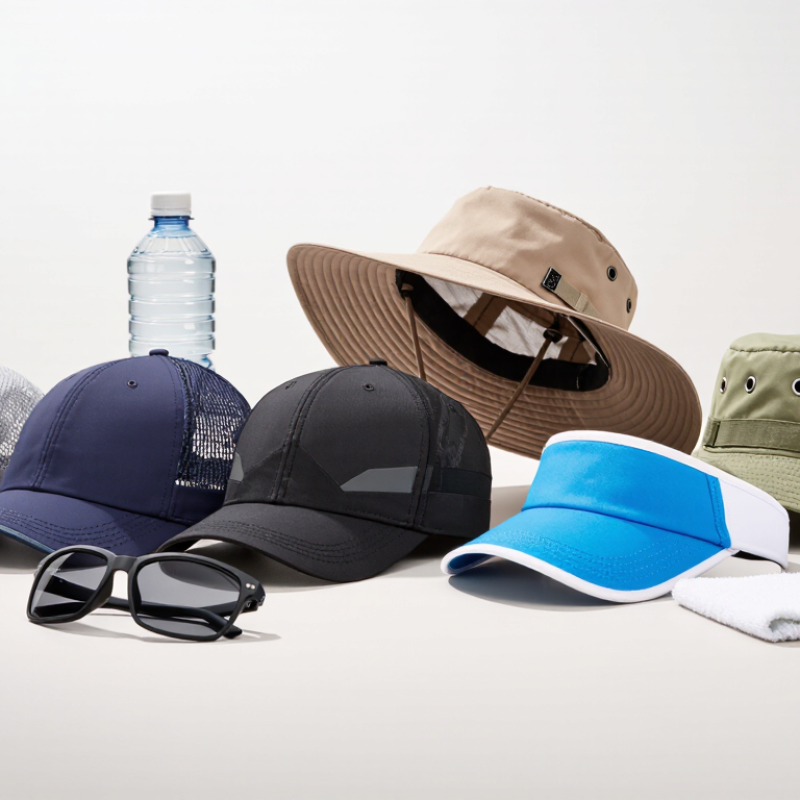
The leading sports hat types for 2026 will balance comfort, protection, and practical movement. Performance caps remain strong for running, tennis, golf, and daily training. Their curved brims shield the eyes, while lightweight panels release heat around the crown. Visors suit hot-weather workouts because they expose the top of the head. However, they offer less sun protection. Bucket hats are gaining attention for outdoor training, travel, and casual sportswear. Their wider brims provide broader coverage, but wind can make them unstable.

Grand View Research valued the global sports apparel market at approximately $249.9 billion in 2023. It also projects a 6.8% compound annual growth rate from 2024 to 2030. Sports hats are a smaller category, yet this growth supports continued demand for technical accessories. McKinsey’s Sporting Goods 2025 report also describes ongoing participation growth in several active lifestyle categories. That matters because buyers increasingly expect one hat to work across exercise and everyday use. I would not treat every trend as permanent. Some oversized shapes look impressive online but feel awkward during movement.

Tips: Check the sweatband before buying. It should feel soft, not sticky. Choose ventilated fabric for intense sessions. Select a secure rear adjustment for cycling or running. A darker brim can reduce glare. Test the hat with sunglasses, too. Small details often decide real comfort.

What Are the Top Sports Hat Types for 2026? — Top Sports Hat Types for 2026

Hat Type Common Sports Typical Design Best Conditions Main Practical Benefit Things to Consider
Performance Cap Running, tennis, training, team sports Curved brim, adjustable or fitted crown, often made with lightweight synthetic fabric Sunny or mildly warm weather Shields the face from sunlight; many designs use quick-drying, moisture-managing fabric Choose a secure fit and breathable construction; a cap does not replace sunscreen
Running Cap Road running, trail running, walking Lightweight crown, brim, ventilation panels, and often a sweatband Warm weather, long runs, or light rain Helps manage sweat and reduces glare without adding much weight For hot conditions, look for ventilation; for heavy rain, use a cap specifically designed for wet weather
Sports Visor Tennis, golf, running Brim with an open top and an adjustable band Hot, sunny weather Provides facial shade while allowing heat to escape from the top of the head Offers no coverage over the scalp, so apply sun protection there
Bucket Hat Golf, fishing, outdoor training, hiking Soft crown with a downward-sloping brim; some versions have a chin cord Sunny outdoor conditions Can shade the face, ears, and sides of the neck more than a typical cap A wider brim may be less convenient in wind or during fast-paced activity
Wide-Brim Sun Hat Fishing, walking, outdoor recreation, sideline sports Broad brim, lightweight fabric, sometimes with a neck flap or ventilation openings Extended exposure to strong sunlight Offers more extensive shade for the face and neck than most sports caps Check that the brim and fit stay secure in wind; coverage varies by design
Thermal Beanie Skiing, snowboarding, winter running, outdoor training Close-fitting knit or insulated fabric that covers the ears Cold or windy weather Helps retain warmth around the head and ears For helmet sports, wear only a thin, compatible layer under a properly fitted helmet
Cycling Cap Road cycling and commuting Low-profile fabric cap with a short brim, designed to fit beneath many cycling helmets Sunny, cool, or lightly wet rides The brim can help manage sun or light rain, and the fabric can absorb sweat It is not protective headgear; always wear a properly fitted cycling helmet
Neck-Flap Sun Cap Fishing, trail activities, outdoor training Cap-style crown with fabric extending over the back of the neck Hot, sunny conditions with prolonged outdoor exposure Adds shade to the neck while keeping a cap-like fit Check ventilation and secure fit, especially in windy conditions

Selection tip: Match the hat to the activity, weather, fit, and required protective equipment. A sports hat can add shade or warmth, but it is not a substitute for a certified helmet where one is required.

Best Uses for Each Sports Hat Type

What Are the Top Sports Hat Types for 2026?

Best Uses for Each Sports Hat Type

The right sports hat depends on movement, weather, and how long you will wear it. A lightweight running cap works well on sunny roads and shaded trails. Its curved brim limits glare, while mesh panels can help heat escape. For tennis or outdoor training, a visor keeps the top of your head open to airflow. It offers less sun coverage, though, so remember sunscreen. A breathable bucket hat suits walking, fishing, or low-intensity hikes when you want shade around your face and neck. It may feel cumbersome during fast runs.

For team practice and everyday wear, a structured baseball cap is a practical choice. Look for an adjustable fit that stays secure without squeezing. A moisture-wicking sweatband can help during warm sessions, but fabric claims vary, so check the care label. In cold weather, a close-fitting beanie is useful for brisk walks and outdoor drills. It should cover your ears without slipping over your eyes. Not every style works for every sport. I have found that even a comfortable hat can become distracting once it gets damp.

Tips: Try the hat during the activity you plan to do. Check for pressure points after ten minutes. Choose a brim that does not block your view, and wash the hat as directed. Small details matter.

How to Choose and Care for a Sports Hat

What Are the Top Sports Hat Types for 2026?

Choosing a sports hat starts with the activity, not the trend. A lightweight running cap should let heat escape and stay secure when you turn your head. For long hours outdoors, look for a broad brim and fabric with a stated ultraviolet protection rating. A visor keeps the top of your head uncovered, so it may feel cooler but offers less coverage. Fit matters most. The band should sit comfortably without leaving a deep mark, and the brim should not block your view.

Try the hat with the hairstyle and eyewear you usually wear. A cap that feels fine in a shop can rub once it gets damp. Not too tight. Adjustable closures help, but pulling them hard can create pressure around the temples. I used to choose hats by appearance; that was not very practical on hot walks. If possible, move around in the hat before buying it.

Sweat and sunscreen can build up along the inner band, so rinse or wash the hat soon after heavy use. Check its care label first. Hand-wash gently with cool water and mild detergent, then press out moisture with a towel. Avoid twisting the brim. Let the hat air-dry over a rounded object to help it keep its shape. High heat may shrink some fabrics or damage structured panels, even when the hat looks sturdy.

What Are the Top Sports Hat Types for 2026?

A practical fabric-rating guide for choosing a sports hat with sun protection.

Higher UPF means less UV passes through the tested fabric. The percentages shown are calculated from the UPF rating (100 × [1 − 1/UPF]); they describe fabric performance, not the protection of every hat design. For sports, check the hat’s labeled UPF and choose a style with coverage suited to your activity. Follow the care label, since washing and wear can affect fabric performance.