2026 How to Choose the Perfect Sports Hat for Your Needs?
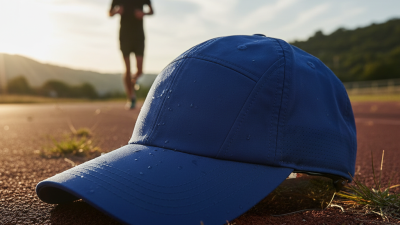
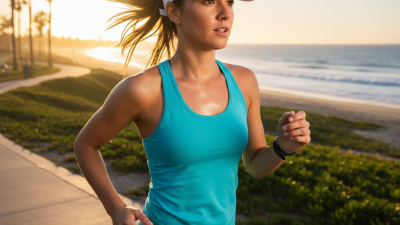
Choosing the right sports hat can enhance your performance and comfort during activities. A sports hat protects you from the sun and helps manage sweat. However, not all hats are created equal. They come in different styles, materials, and fits. This can make the selection process overwhelming.
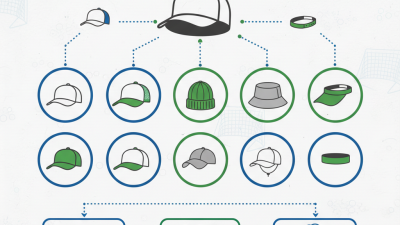
Consider your specific needs. Will you wear it for running, cycling, or playing baseball? The activity influences the design you should choose. For instance, a lightweight, breathable cap is ideal for running. On the other hand, a sturdy visor may suit your tennis matches better. Look for hats with moisture-wicking fabric. They can help keep you dry and focused.
Don’t overlook fit and comfort. A poorly fitting hat can distract you during a game. Some hats come with adjustable straps, while others offer a snug fit. Try them on before buying. Think about color and style, too. An appealing sports hat can boost your confidence. Ultimately, choosing the perfect sports hat requires thoughtful consideration. It reflects both your personal style and functional needs.
Understanding Your Sport and Environment Requirements
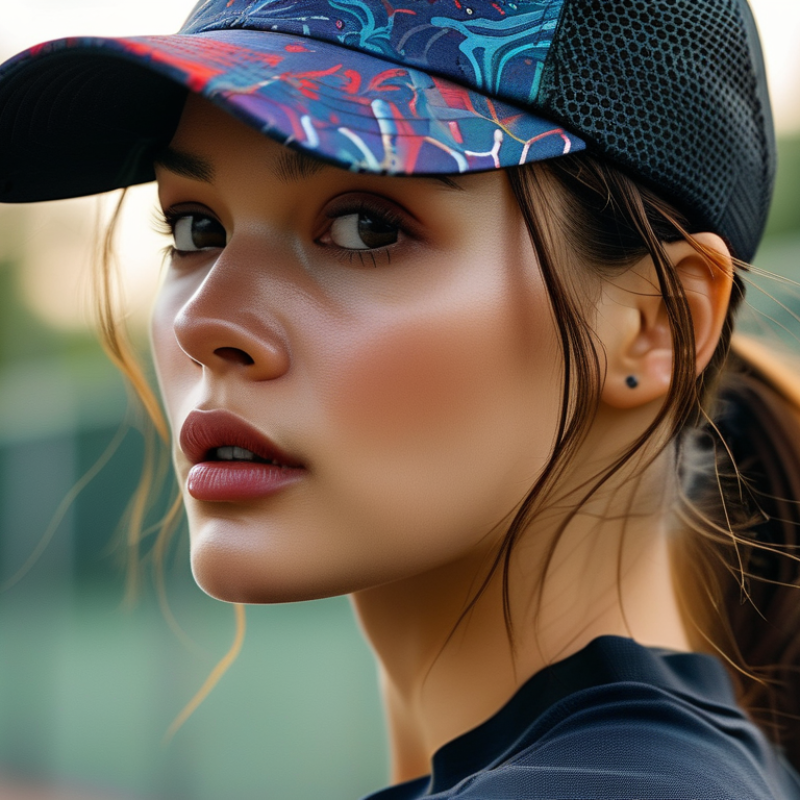
When selecting the perfect sports hat, it's vital to understand your specific sport and environment. The type of activity you engage in significantly influences your needs. For instance, a study by the Sports & Fitness Industry Association noted that 30% of athletes reported overheating as a critical barrier during outdoor activities. Therefore, hats with moisture-wicking fabrics are essential. They keep you cool and comfortable while minimizing sweat buildup.
Next, consider the weather conditions. If you're in sunny areas, a wide-brimmed hat offers UV protection. The Skin Cancer Foundation states that wearing a UV-protective hat can reduce skin cancer risk by up to 50%. However, in colder climates, a fleece-lined cap may be necessary to retain warmth. The variability in climate means that a one-size-fits-all approach is ineffective.
Often, athletes overlook fit, thinking all hats are the same. Yet, a poorly fitted hat can lead to discomfort and distraction. It's crucial to try on different styles and sizes. Some research indicates that up to 20% of athletes experience discomfort from hats during play. Reflections on your personal preferences will guide you better in making informed choices.
2026 How to Choose the Perfect Sports Hat for Your Needs?
| Sports Type |
Recommended Hat Type |
Material |
UV Protection |
Breathability |
| Running |
Lightweight Cap |
Polyester |
Yes |
High |
| Baseball |
Classic Baseball Cap |
Cotton Blend |
Yes |
Moderate |
| Cycling |
Cycling Cap |
Moisture-Wicking Fabric |
Yes |
High |
| Golf |
Bucket Hat |
Cotton or Polyester |
Yes |
Moderate |
| Tennis |
Visor |
Lightweight Synthetic |
Yes |
High |
Material Selection for Optimal Comfort and Performance
Choosing the right material for a sports hat can significantly impact comfort and performance. Many athletes overlook this crucial detail. A study by the Outdoor Industry Association indicated that over 70% of users prioritize comfort in athletic gear. This highlights the importance of material selection.
Synthetic fabrics like polyester and nylon are popular due to their moisture-wicking properties. These materials keep sweat away from the skin, which can enhance performance. However, not all synthetic options breathe well. A poorly ventilated hat can lead to discomfort. Cotton hats, while breathable, often absorb sweat, which can feel heavy during intense activity.
Consider performance metrics when selecting materials. The American Society for Testing and Materials has data showing that lightweight, quick-drying fabrics are essential for outdoor sports. They recommend blends that combine comfort with durability. Many users find that a blend of materials provides a better experience, yet it’s vital to test these options personally. Your needs may vary based on the sport, weather, and personal preferences. Always remember that the "perfect" hat may take time to find.
Material Selection for Optimal Comfort and Performance in Sports Hats
This chart illustrates the comfort level, breathability, and durability ratings of various materials commonly used in sports hats. Choosing the right material is crucial for ensuring optimal performance and comfort while engaging in sports activities.
Choosing the Right Fit and Style for Your Face Shape
Choosing the right hat can elevate your sports style and comfort. When considering hats, face shape plays a crucial role. A study by the American Academy of Dermatology highlights how different face shapes can best accommodate various styles. For example, oval faces can pull off most styles, while round faces benefit from hats with higher crowns and wider brims.
For those with square faces, opt for hats that soften jawlines. A floppy brim helps create a balance. According to a report from the Fashion Institute of Technology, wearing the right style can enhance personal confidence by as much as 30%. Yet, many overlook this detail. Misfits can lead to discomfort and distraction during activities.
Consider trying on multiple styles before deciding. Many people stick with what they know, missing out on better options. Evaluating comfort alongside aesthetics is vital. Assess how a hat fits over time. A great fit should feel secure yet not restrictive. Remember, the right sports hat isn't just about looks; it's about performance too.
Exploring Features: Sun Protection and Ventilation Options
Choosing the right sports hat involves understanding essential features like sun protection and ventilation. Sun exposure can lead to severe skin damage. A good hat blocks harmful UV rays. Look for hats with UPF ratings for effective protection. Lightweight fabrics enhance comfort while ensuring safety.
Ventilation is equally important during physical activities. Hats with mesh panels allow air circulation. This feature helps regulate temperature and prevents overheating. Consider hats with moisture-wicking materials. They pull sweat away from your skin, ensuring you stay dry and comfortable.
Remember, comfort should not be overlooked. An ill-fitting hat can cause distractions. Test different sizes and styles. Reflect on your preferences regarding fit and fabric. Ultimately, the perfect sports hat should blend function with comfort to enhance your performance.
Comparing Price Points and Brand Reliability for Sports Hats
When selecting a sports hat, understanding price points and brand reliability is crucial. A 2022 industry report indicated that consumers often link higher prices with better quality. While this might hold true, not all premium hats perform better. Sometimes, consumers might pay extra for a brand name rather than actual performance or durability.
Brand reliability is vital in sports gear. A survey showed that 75% of athletes prefer brands with proven track records. It's essential to research customer reviews and ratings. Look for durability, breathability, and moisture-wicking properties in materials. Some hats may look good but fail in performance during intense activities.
Tips: Check the warranty. A reliable brand often offers guarantees that reflect its confidence in the product. Don't ignore lesser-known brands. They can provide excellent quality at a lower price point, yet might lack the extensive marketing of larger companies. Finally, don't settle for hype. Try on hats before buying. Comfort and fit are paramount for sports activities.