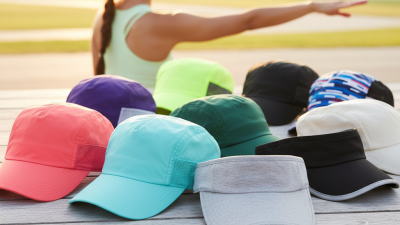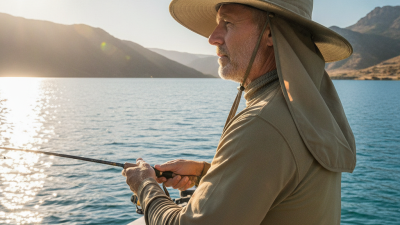
Sourcing the best Fish Man Hat globally in 2026 requires more than comparing factory prices. Buyers must examine material quality, production consistency, labor practices, logistics, and real customer demand. The product may look simple. It is not.
Market evidence supports a careful approach. The Business of Fashion and McKinsey’s State of Fashion 2025 report describes a slower, more uncertain fashion market, making inventory discipline increasingly important. Textile Exchange’s Materials Market Report 2024 also shows polyester remains the dominant synthetic fiber worldwide, while recycled-material adoption continues to develop unevenly. These findings matter when selecting a Fish Man Hat made from cotton canvas, recycled nylon, or water-resistant blends.
Trend forecaster Li Edelkoort has said, “Fashion is not about clothes, it is about change.” Her observation applies here. A wide brim, adjustable chin cord, breathable mesh panel, or washable lining can shift a basic fishing hat into a practical lifestyle product. Yet trend appeal alone is insufficient. Buyers should request fabric composition records, pre-production samples, colorfastness results, dimensional measurements, and shipment performance data.
Reliable sourcing also depends on experience. Inspect the brim stitching by hand. Test the crown after repeated folding. Check whether the cord lock slips. Small defects become expensive returns.
There is no single global supplier that fits every market. That is an uncomfortable truth. The strongest sourcing strategy combines audited factories, transparent quotations, realistic minimum order quantities, and regional testing before scaling. This guide examines those decisions, while acknowledging one weakness: available public data rarely isolates the Fish Man Hat category.
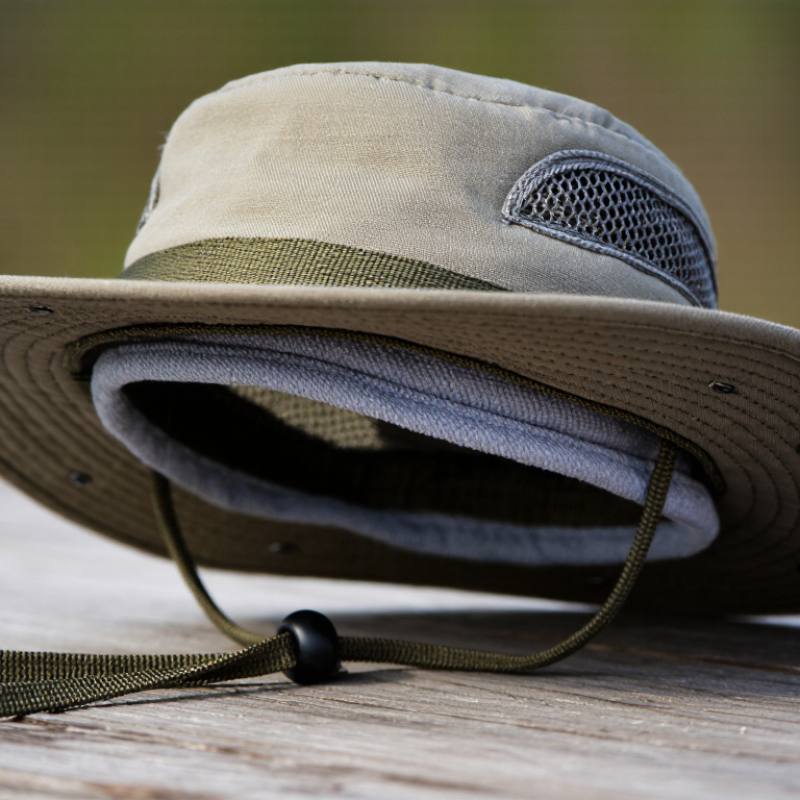
A Fish Man Hat is best understood as a practical fisherman-style hat with a distinctive aquatic identity. It usually has a soft crown, a downward brim, and materials suited to sun, wind, or light rain. The term is not fully standardized, however. Some suppliers describe a bucket hat, while others mean a fishing hat with fish graphics, chin cords, or storage loops. That ambiguity matters when comparing global quotations.
Its early form served working fishers who needed shade, quick drying, and hands-free movement near water. Later, outdoor recreation and streetwear reshaped the silhouette. Wider brims improved coverage, while cotton, nylon, and recycled polyester changed weight and durability. Grand View Research estimates the global headwear market was worth more than 25 billion US dollars in the early 2020s, with continued growth expected through 2030. This suggests demand is moving beyond basic protection.
Material evidence also influences sourcing. Textile Exchange reported that polyester represented about 57% of global fiber production in 2023. Recycled content can reduce dependence on new fossil-based inputs, but suppliers should verify certificates and traceability. I would request fabric weight, brim recovery, colorfastness, and stitching samples before placing volume orders. Small defects show quickly. A loose cord or weak seam can ruin an otherwise convincing design. My own caution is simple: recycled claims are not automatically reliable, and the “fish man” label still needs a precise technical specification.

How to Source the Best Fish Man Hat Globally in 2026?
Key Materials, Designs, and Functional Features
Material selection should begin with heat, water, and abrasion. Recycled polyester dries quickly and keeps its shape after repeated washing. Textile Exchange’s 2024 Materials Market Report estimates global fiber production reached 124 million tonnes in 2023. That figure makes recycled content relevant, but not automatically superior. Ask suppliers for fiber certificates, dye records, and fabric test results. A tightly woven nylon shell can outperform a weak recycled fabric in heavy rain. I still distrust vague “eco” claims.
A reliable fish man hat needs a firm brim, secure stitching, and controlled ventilation. A seven-to-nine-centimeter brim shields the face without blocking peripheral vision. Side mesh panels improve airflow, while a low-profile chin cord prevents loss on boats or windy piers. For sun protection, request UPF testing under AS/NZS 4399 or an equivalent method. Never accept a printed UPF number without laboratory evidence. The FAO’s State of World Fisheries and Aquaculture 2024 recorded 185.4 million tonnes of global aquatic-animal production in 2022, reflecting demanding outdoor work environments.
Global sourcing also requires practical inspection. Check seam sealing, colorfastness, saltwater resistance, and adjustment strength from sample units. The Circularity Gap Report 2024 estimates the global economy is only 7.2% circular, so repairable construction deserves attention. Replaceable cords and reinforced brim edges may extend service life. One compromise remains: softer fabrics feel better, but they often lose structure sooner. A small pilot order can reveal that weakness before large-scale purchasing.
| Product Type | Recommended Primary Material | Typical Material Weight | Best Design Structure | Key Functional Features | Target Weather and Use | Recommended Quality Checks | Sourcing Priority |
|---|---|---|---|---|---|---|---|
| Lightweight Nylon Fishing Bucket Hat | Solution-dyed nylon or recycled nylon woven fabric | Approximately 90–150 g/m² | Moderately wide brim with a flexible crown and adjustable chin cord | Quick drying, low water absorption, packable construction, ventilation eyelets, adjustable toggle | Warm, sunny conditions; general fishing, boating, hiking, and travel | Check seam strength, colorfastness to light and seawater, brim recovery after folding, and cord attachment security | Low weight, UV protection, reliable fit adjustment, and compact packing |
| UPF-Rated Sun Protection Hat | Dense polyester or nylon fabric with a tested ultraviolet-protection finish or construction | Approximately 120–220 g/m² | Brim of about 7.5–10 cm, neck coverage option, structured front panel | Documented UPF rating, moisture-wicking sweatband, breathable side panels, removable neck flap | High-sun environments, open-water fishing, beaches, and outdoor work | Request laboratory UV-protection results, confirm coverage after stretching, and inspect sweatband absorbency | Verified UV performance, full facial coverage, breathable construction, and stable sizing |
| Water-Resistant Rain Fishing Hat | Coated polyester or nylon with a durable water-repellent finish | Approximately 120–250 g/m² | Downward-sloping brim, sealed or covered seams, and adjustable crown opening | Water-shedding surface, quick-dry lining, chin cord, packable brim, optional seam tape | Light rain, spray, humid climates, and short-duration outdoor activities | Test spray resistance, hydrostatic performance where applicable, coating adhesion, seam leakage, and odor after storage | Practical rain resistance without excessive heat buildup or noisy fabric |
| Breathable Mesh-Side Fisherman Hat | Nylon or polyester crown combined with polyester mesh panels | Approximately 80–160 g/m² | Ventilated crown, medium brim, reinforced eyelets, and soft sweatband | Airflow, moisture transfer, lightweight construction, adjustable cord, and fast drying | Hot and humid weather; active fishing and long periods outdoors | Evaluate mesh tear resistance, stitch density, ventilation area, sweatband comfort, and resistance to saltwater corrosion | Cooling performance, comfort during extended wear, and durable ventilation panels |
| Recycled-Fiber Outdoor Hat | Recycled polyester or recycled nylon, supported by chain-of-custody documentation | Approximately 100–220 g/m² | Simple bucket profile with minimal trims and replaceable or recyclable packaging | Durability, color retention, adjustable fit, low-plastic packaging, and repairable components | General outdoor use where lower-impact materials are a purchasing requirement | Verify recycled-content documentation, colorfastness, abrasion resistance, seam quality, and packaging composition | Traceable material claims, long service life, and reduced unnecessary packaging |
| Cotton-Blend Casual Fishing Hat | Cotton-polyester blend, preferably with a tightly woven outer fabric | Approximately 180–300 g/m² | Soft bucket silhouette with stitched brim and internal sweatband | Comfort, natural hand feel, moderate breathability, stable brim, and washable construction | Mild, dry weather; lifestyle fishing and everyday outdoor wear | Check shrinkage after washing, wet-dry color change, seam puckering, brim symmetry, and drying time | Comfort and appearance, provided that moisture and drying limitations are acceptable |
| Cold-Weather Insulated Fisherman Hat | Wind-resistant polyester or nylon shell with fleece or synthetic insulation | Approximately 180–350 g/m², depending on insulation level | Ear-covering profile, low-profile brim, adjustable chin strap, and soft lining | Wind resistance, thermal retention, ear coverage, moisture management, and secure fit | Cold, windy conditions; winter fishing and marine activities | Measure insulation consistency, inspect lining attachment, test wind leakage, and check comfort with eyewear | Warmth-to-weight ratio, wind protection, fit security, and low-bulk construction |
| Packable Travel Fishing Hat | Lightweight nylon or polyester with a flexible brim insert | Approximately 80–140 g/m² | Foldable crown, crush-resistant brim, and internal size-adjustment band | Compact storage, shape recovery, quick drying, low weight, and adjustable circumference | Travel, hiking, fishing trips, and mixed indoor-outdoor use | Fold-and-recover testing, brim deformation, stitch durability, size adjustment range, and packing volume | Reliable recovery after repeated packing and consistent fit across size ranges |
How to Source the Best Fish Man Hat Globally in 2026?
A reliable Fish Man Hat needs evidence, not attractive product photos. Textile Exchange’s Materials Market Report 2024 recorded about 124 million tonnes of global fiber production in 2023. That scale increases the risk of vague fiber claims. Request the exact fiber composition, fabric weight, dye method, and manufacturing country. Check certification numbers against the issuing organization’s online database. A certificate without matching factory and product scope is weak evidence.
Touch the hat yourself. Rub the brim and inspect whether it returns to shape. Count the visible stitches around the crown and chin cord. Test colorfastness with a damp white cloth. For sun protection, ask for laboratory results using a recognized UPF testing method. ISO 3758 supports consistent care labeling, while ISO 6330 defines domestic washing procedures. These references help compare suppliers fairly. They do not prove every claim.
I once trusted a recycled-content label without checking its transaction record. That shortcut failed. Verify the document’s lot number, date, material percentage, and facility details. WRAP’s clothing research found that extending product life by nine months can reduce carbon, water, and waste footprints by roughly 20–30 percent. For a sourcing decision, stronger stitching and washable fabric may matter more than a fashionable finish. Inspect samples after washing. Small defects often appear later.
How to Source the Best Fish Man Hat Globally in 2026?
Global sourcing should begin with several channels, not one marketplace. Use trade fairs, verified B2B platforms, export directories, and direct factory referrals. For product classification, compare customs records through UN Comtrade and the International Trade Centre. These databases reveal shipment patterns, destination markets, and declared product values.
Material choice also matters. Textile Exchange’s Materials Market Report 2024 recorded 124 million tonnes of global fiber production in 2023. Ask suppliers to identify the exact fiber, coating, lining, and recycled content. Request test reports for colorfastness, shrinkage, water resistance, and seam strength. A sample must survive bending, rain, and repeated washing. Photos are not enough.
Tips: Verify the legal company name, factory address, ownership, production capacity, and export history. Request a recent audit, but do not treat certification as final proof. The OECD Due Diligence Guidance recommends risk-based supplier checks and documented corrective actions. Contact two previous buyers through independently verified channels. Order a paid sample before discussing bulk production. Inspect random units before shipment. The World Bank’s Logistics Performance Index 2023 shows major differences in customs efficiency and delivery reliability across markets. Build buffer time. I once trusted a polished sample too quickly; bulk stitching exposed uneven brims. That mistake still matters. Supplier verification must include factory evidence, product testing, payment controls, and transparent communication. Cheap quotes often hide expensive corrections.
Global sourcing channels ranked by supplier-verification signal coverage
The score is based on the number of supplier evidence types that buyers can normally request and cross-check through each channel: legal registration, factory address, production capability, compliance documents, product samples, and transaction history. Use the score as a screening benchmark, then verify every supplier independently before placing an order.
How to Source the Best Fish Man Hat Globally in 2026?
Global sourcing starts with a realistic landed-cost calculation, not the factory quotation. Request samples before placing bulk orders. Check stitching, brim stability, ventilation, and colorfastness after gentle washing. I also test the hat under rain and strong sunlight. Small defects appear quickly.
Ask suppliers for commercial invoices, packing lists, origin statements, and accurate product descriptions. Confirm the correct customs classification with a licensed broker before shipment. Duty rates can differ between countries and materials. Choose shipping terms carefully, because the cheapest freight option may create unexpected warehouse or clearance charges. Air freight suits urgent samples, while consolidated sea freight often reduces costs for larger orders. Build a buffer for inspections, port delays, and currency changes.
Sustainable purchasing requires evidence rather than attractive claims. Request material percentages, recycled-content records, wastewater procedures, and packaging details. Prefer durable fabrics that extend product life. Avoid excessive plastic wrapping and ask whether cartons use recycled content. Supplier audits should include worker safety and wage practices, not only production capacity. My own purchasing plans have sometimes overestimated demand, leaving unsold stock and wasted packaging. A smaller trial order may cost more per unit, but it limits risk and improves forecasting. Keep written records of approvals, shipment dates, customs feedback, and corrective actions. That paper trail makes future decisions more reliable.