Top 10 Fish Man Hat Styles for Global Buyers?
Choosing the right Fish Man Hat involves more than selecting a striking shape. Global buyers compare sun coverage, ventilation, fabric strength, packing efficiency, and customer preferences. A wide brim may protect the neck, while mesh panels can reduce heat beside a busy harbor. However, a larger brim may bend during shipping or feel unstable in strong coastal wind.
According to marine apparel consultant Dr. Marcus Lee, “A reliable fishing hat should protect the wearer without becoming a burden during long hours outdoors.” This practical view guides the selection in this article. The featured ten styles include classic bucket hats, wide-brim fishing hats, waterproof rain hats, camouflage designs, and lightweight foldable models. Each style serves a different purchasing situation. Retailers may value color variety and shelf appeal. Commercial buyers may focus on durability, adjustable chin cords, and consistent sizing.
Small details matter. A soft sweatband can prevent saltwater irritation. A firm brim can keep glare away from tired eyes. Quick-dry fabric is useful after sudden spray. Some designs look impressive but perform poorly when packed tightly. That weakness deserves attention.
No ranking is perfect.
Material quality can vary between suppliers, even when product photos appear similar. Buyers should request samples, confirm measurements, inspect stitching, and test ventilation before placing larger orders. Environmental conditions also change by region, from humid tropical ports to cool northern waters. This guide therefore evaluates each Fish Man Hat through practical use, buyer expectations, and realistic sourcing concerns.

What Are Fish Man Hats and Who Buys Them Globally?
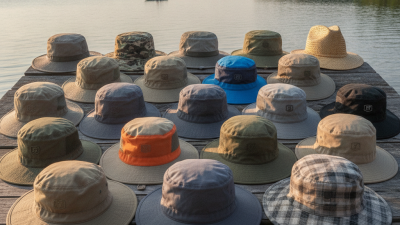
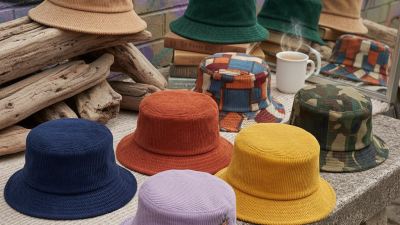
What are fish man hats? In global wholesale listings, the term usually describes fisherman-style hats, also called bucket hats. They have a soft crown, downward brim, and often a chin cord. Buyers choose them for sun protection, casual styling, travel, fishing, outdoor work, and seasonal fashion. Grand View Research estimated the global headwear market at about US$26.5 billion in 2023, with projected growth through 2030. This wider category includes caps and hats, so the figure does not represent fisherman hats alone.
Global buyers are not one group. Outdoor retailers often request water-resistant polyester, ventilation panels, adjustable cords, and darker colors. Streetwear distributors may prefer reversible designs, wide brims, cotton canvas, or compact packable shapes. Resort shops usually seek lightweight fabrics and brighter prints. Research and Markets identifies online distribution and cross-border purchasing as important growth channels for headwear, giving small importers more product access. However, buyers still inspect stitching, brim recovery, fabric weight, carton packing, and size consistency before ordering. A low price can hide poor shape retention. That lesson is easy to overlook. The phrase “fish man hat” is also imperfect and may confuse buyers across regions, so product pages should show clear photos, measurements, fiber content, and practical use cases. Ten useful style directions include classic cotton, waterproof, mesh, reversible, wide-brim, safari, insulated, corded, packable, and custom-print versions. Forecasts can guide decisions, but local climate and buyer habits matter more than a generic trend chart.
This chart compares the relative global buyer-interest potential of ten fish man hat styles. The index is based on practical factors such as sun protection, water resistance, packability, ventilation, outdoor use, and suitability for fishing, travel, beach activities, and everyday summer wear. It is a comparative planning index rather than audited sales or market-share data.
How the Top 10 Fish Man Hat Styles Are Classified
Global buyers often use “fish man hat” to describe several fisherman-style hats. The classification should focus on construction, function, and climate. Grand View Research valued the global headwear market at approximately USD 26.5 billion in 2023. Its 2024 analysis also forecasts about 6.5% annual growth through 2030. That growth increases the need for clear product categories. Fit comes first.
The top 10 styles can be classified into three practical groups.
Everyday styles include the classic bucket hat, wide-brim bucket hat, reversible hat, and packable travel hat.
Performance styles include the waterproof fishing hat, quick-dry mesh hat, neck-flap sun hat, and ventilated safari hat.
Cold-weather styles include the fleece-lined fisherman hat and insulated ear-covering hat.
This structure helps buyers compare brim width, crown depth, ventilation, water resistance, and folding performance. The categories overlap. A packable hat may also be waterproof.
Material classification adds another useful layer.
Textile Exchange’s Materials Market Report 2024 states that polyester represented about 57% of global fiber production in 2023. Buyers should therefore check recycled content, fabric density, coating durability, and seam quality rather than trusting “eco” wording alone. In sourcing practice, a 6–8 centimeter brim often balances shade and portability, but regional preference changes that result. I have seen lightweight mesh perform well in humid markets, yet fail in strong wind. Not always. Product testing should include colorfastness, sweat absorption, stitching strength, and brim recovery after packing. These details make the ten-style classification more reliable for international purchasing.
Key Features of Each Fish Man Hat Style
Top 10 Fish Man Hat Styles for Global Buyers
Key Features of Each Fish Man Hat Style
The classic bucket fish man hat has a soft brim and compact shape. Cotton feels breathable, while polyester dries faster after light rain. A wide-brim style offers stronger sun coverage for open-water work. Look for reinforced stitching around the crown and brim. Small details matter. Waterproof fish man hats usually use coated fabric and taped seams. Their value depends on seam quality, not glossy surface claims. Test the closure and brim flexibility before placing large orders.
Mesh-panel hats improve airflow in humid regions. They suit warm docks, markets, and outdoor deliveries. UV-protective styles should provide clear fabric information and stable brim coverage. Reversible hats offer two color options, but thicker construction may reduce ventilation. Crushable designs fold easily inside luggage. However, repeated folding can weaken the brim. Insulated fish man hats use fleece or padded lining for colder waters. Check whether the lining dries quickly after exposure to spray.
Chin-cord styles stay secure during strong wind. Adjustable toggles help different head sizes, though loose cords may annoy users. Safari-inspired hats combine a longer brim, ventilation eyelets, and practical storage pockets. I recommend checking size measurements, fabric weight, colorfastness, and washing instructions with suppliers. Photos often hide uneven stitching. Samples reveal more. No single style performs perfectly across every climate, activity, or buyer preference.
How Global Buyers Can Select and Source the Right Styles
Global buyers should treat fisherman hats as a sourcing category, not one fixed product. The top ten options include cotton twill, nylon, denim, corduroy, knitted wool, waterproof shell, reversible, packable, wide-brim, and unstructured styles. Each serves a different climate and customer. Fit still wins. Measure crown depth, brim width, head circumference, and adjustment range before approving samples. Grand View Research estimates the global headwear market reached about USD 26.5 billion in 2023, with continued growth expected through 2030. That growth creates opportunity, but also more crowded competition.
Material selection should follow the selling region. Cotton twill feels breathable in warm markets, while nylon and coated fabrics suit rainy travel use. Textile Exchange reported global fiber production at roughly 124 million tonnes in 2023, showing why material traceability deserves closer attention. Ask suppliers for fiber composition, colorfastness, shrinkage, seam strength, and water-resistance test results. Do not trust a polished sample alone. Bulk production can reveal uneven stitching, distorted brims, or poor sweatband recovery.
Sourcing teams can compare three to five styles using the same scorecard: target retail price, minimum order quantity, lead time, packaging, size range, and defect tolerance. Reversible and packable hats may reduce assortment costs, but their extra seams can increase failure points. A low minimum order is attractive. It may also hide a higher unit cost. Buyers should request pre-production samples, confirm carton dimensions, and check labeling requirements in each destination. My own caution is simple: trend forecasts help, yet regional fit data is often incomplete. A style popular online may perform weakly in physical stores. Test small quantities before scaling.