Leave Your Message

How to Choose Cool Beanies for Wholesale Buying?

Cool Beanies are no longer limited to winter wardrobes or outdoor sports. They now combine warmth, streetwear identity, brand storytelling, and everyday practicality. For wholesale buyers, that shift creates opportunity, but it also creates risk. A stylish ribbed beanie may attract attention in a showroom, yet poor yarn recovery can leave it stretched after several wears.

Grand View Research reported that the global headwear market was valued at approximately USD 22 billion in 2023 and is expected to grow steadily through 2030. Its analysis points to fashion, sports, and seasonal demand as important growth drivers. Meanwhile, The Business of Fashion and McKinsey’s State of Fashion 2025 emphasizes cautious consumer spending and stronger demand for visible value. These findings suggest that buyers should assess more than appearance. Material quality, price positioning, color versatility, and repeat-wear potential matter equally.

A practical wholesale review should begin with fabric composition. Cotton blends feel lighter, while recycled polyester can improve durability and moisture management. Merino wool offers warmth, but it may require higher pricing and clearer care guidance. Check the cuff tension by stretching it repeatedly. Inspect stitching around the crown. Test whether embroidered logos distort the knit.

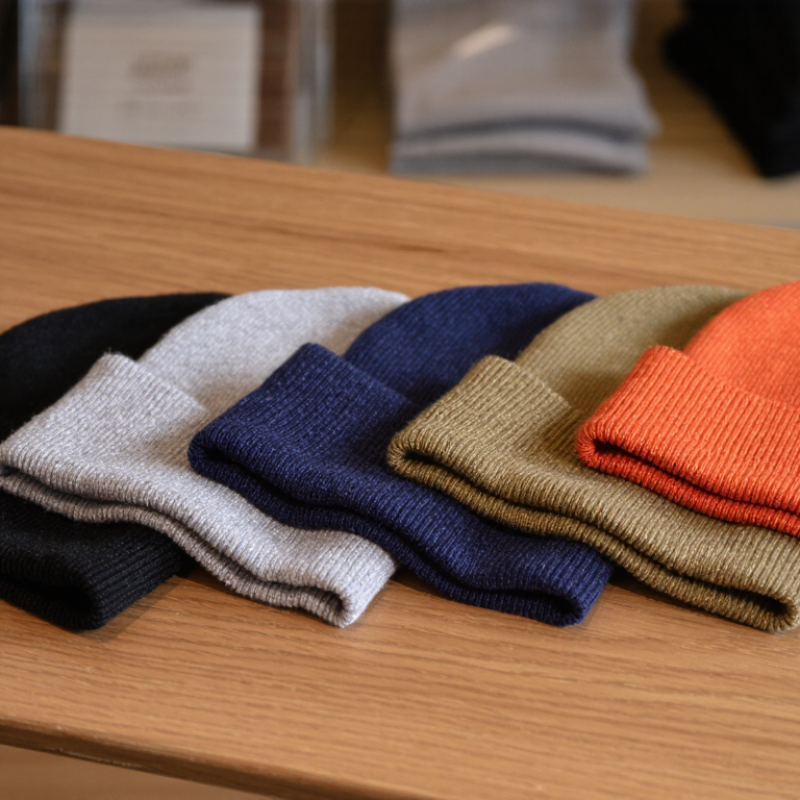
The data is useful, but not perfect. Public reports rarely isolate the “Cool Beanies” category, and regional preferences differ sharply. A bright orange cuff may sell quickly in one market and remain untouched in another. Buyers should combine industry research with supplier samples, customer feedback, and small pilot orders. That approach reduces guesswork and supports a more reliable wholesale decision.
How to Choose Cool Beanies for Wholesale Buying?

Define the Wholesale Brief: Target Market, Budget, MOQ, and 54–60 cm Fit

Before choosing cool beanies for wholesale buying, define the wholesale brief clearly. Identify your target market first. Are these beanies for students, outdoor workers, festival shoppers, or casual winter customers? Each group expects different colors, textures, and warmth levels. A ribbed charcoal style may suit commuters, while bright recycled-fiber options can attract younger shoppers.

Set a realistic budget per piece, including samples, packaging, freight, and possible quality checks. Do not let the lowest quotation control the decision. I once underestimated freight costs, and the final margin became uncomfortable. It was a useful mistake. Keep the calculation visible. Then confirm the minimum order quantity, or MOQ, before requesting customization. A small MOQ reduces inventory risk, but it may increase the unit price. A larger MOQ can lower costs, though unsold seasonal stock becomes a serious concern.

The 54–60 cm fit should be tested, not assumed. Measure the unstretched opening, then check recovery after repeated stretching. Try samples on different head sizes, with and without long hair. A soft acrylic blend may feel comfortable, but loose knitting can expose the ears in cold wind. Check seam placement, cuff height, label position, and color consistency under indoor lighting. Ask the supplier for measurement tolerances in writing. Fit preferences vary by market, and one sample cannot reveal every problem. Leave room for revision.

Compare Acrylic, Wool, and Recycled Fibers by GSM, Durability, and Cost

How to Choose Cool Beanies for Wholesale Buying?

For wholesale buying, compare fiber content and GSM before judging a beanie by appearance. GSM means grams per square meter, showing fabric weight and density. Acrylic beanies commonly use 180–250 GSM, offering light warmth, color stability, and good abrasion resistance. They usually provide the lowest unit cost. Wool often reaches 200–300 GSM and feels warmer in cold, dry weather. However, it can shrink, felt, or irritate sensitive skin without careful finishing. Recycled fibers vary widely. A 180–260 GSM recycled yarn may reduce material waste, but durability depends on fiber length and blending quality.

GSM is not a complete quality score. A dense rib knit can feel warmer than a loose, heavier knit. Check stretch recovery after repeated pulling, especially around the cuff. Ask for pilling tests and wash samples before placing a large order. In my sampling experience, acrylic survives rough retail handling well, while wool needs clearer care instructions. Recycled yarn can perform reliably, but inconsistent batches deserve attention. Small differences matter.

Cost should include returns, packaging, and seasonal markdowns. Wool may cost more initially, yet its premium hand feel can support a higher retail price. Acrylic is safer for budget-focused volumes, though it may feel less natural. Recycled options sit between them in many factories, but not always. A clean spreadsheet can still mislead. Test ten pieces, not one. Pay attention to loose fibers, uneven cuffs, color variation, and odor after washing. Trendy colors help, but dependable construction protects the order.

How to Choose Cool Beanies for Wholesale Buying? Compare Acrylic, Wool, and Recycled Fibers by GSM, Durability, and Cost
Material Typical Beanie GSM Warmth & Hand Feel Durability & Shape Retention Moisture & Breathability Care Requirements Indicative Wholesale Cost* Best Wholesale Use Key Buying Consideration
Acrylic 80–150 g/m² Warm, lightweight, soft, and available in smooth or wool-like finishes. Low moisture absorption and limited breathability; dries quickly but may feel less comfortable during high activity. Machine washable on a gentle, cool cycle; reshape while damp and avoid high-heat drying. US$1.20–$3.50 per piece Large-volume promotional programs, fashion basics, teamwear, and price-sensitive collections. Choose anti-pilling yarn and a stable rib knit when appearance after repeated wear is important.
Wool 100–220 g/m² Excellent natural insulation with a warm, resilient, and premium hand feel. Prefer hand washing or a wool cycle with mild detergent; dry flat and avoid wringing or tumble drying. US$3.00–$9.00 per piece Premium winter assortments, outdoor lifestyle products, and cold-climate retail programs. Confirm wool origin, yarn grade, blend ratio, odor-control treatment, and shrinkage test results before ordering.
Recycled Polyester 90–180 g/m² Lightweight to moderately warm, smooth, and typically less bulky than wool at a similar weight. Low moisture absorption with quick-drying performance; breathability depends strongly on yarn and knit construction. Usually easy-care and machine washable; follow the supplier's temperature and finishing instructions. US$1.80–$5.00 per piece Performance headwear, active lifestyle ranges, sustainability-focused programs, and repeat uniform orders. Request recycled-content documentation and verify whether the fabric is certified and traceable to a recognized standard.
Recycled Acrylic 80–150 g/m² Similar lightweight warmth and softness to conventional acrylic, with a broad color range. Good general durability; pilling and shape retention vary according to recycled yarn quality, blending, and finishing. Low moisture absorption and quick drying; breathability remains limited compared with wool. Generally gentle machine washable; avoid high temperatures to reduce shrinkage and deformation risk. US$1.50–$4.00 per piece Cost-conscious collections that need a recycled-material story without a large price increase. Check the percentage of recycled content, pilling grade, colorfastness, and test samples before bulk production.
Wool–Acrylic Blend 100–200 g/m² Combines wool warmth and breathability with acrylic softness, color stability, and lower weight. Usually more shape-stable and easier to maintain than 100% wool; performance depends on the blend percentage. More breathable than 100% acrylic, but generally less moisture-regulating than pure wool. Use the care method recommended for the wool component; gentle washing and flat drying are safest. US$2.20–$6.50 per piece Mid-range winter collections seeking a balance of comfort, durability, and cost. Compare the exact fiber ratio because a small change in wool content can affect warmth, price, and care needs.
*Indicative wholesale cost ranges are approximate per-piece estimates for standard knitted beanies in medium-to-large orders. Actual pricing varies with GSM, yarn quality, knit structure, size, custom labels, decoration, certifications, order quantity, and shipping terms. GSM means grams per square meter; a higher GSM generally indicates more material, but warmth also depends on fiber type, knit density, and construction.

Screen Cool Designs Using 2024 Color Trends and Seasonal Demand Data

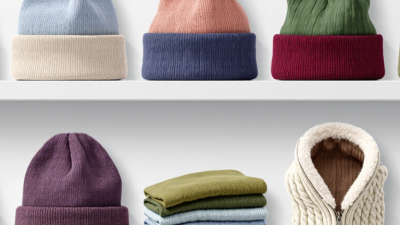
Wholesale beanie selection should begin with color evidence, not personal taste. The 2024 WGSN and Coloro forecast highlighted soft blue, warm apricot, and mineral-inspired neutrals. These shades translate well into ribbed knits, fleece cuffs, and recycled yarn textures. Use one trend color per collection, then support it with black, cream, and charcoal. Buyers need visual variety, not a rainbow warehouse.

Seasonality should shape purchasing depth. U.S. Census Bureau retail data recorded stronger general-merchandise sales in November and December 2023, when holiday shopping increased cold-weather accessory demand. The National Retail Federation also reported that 61% of consumers planned holiday shopping during November 2024. That timing supports earlier beanie deliveries, but not unlimited inventory. Start with flexible quantities. Test colors before expanding.

A practical range might include 50% proven neutrals, 30% muted 2024 colors, and 20% brighter accents. Keep bright orange or vivid blue in smaller runs. They attract attention, yet may age quickly. I have seen buyers overestimate trend colors after strong showroom reactions. That can be expensive. Review weekly sell-through, returns, and regional weather before reordering. A snowy northern market may favor dark wool blends, while milder cities may prefer lightweight cotton beanies. Forecasts help. They do not replace local evidence.

Verify ASTM Colorfastness, Pilling, Stretch, and Warmth Performance

How to Choose Cool Beanies for Wholesale Buying?

A cool beanie must look attractive and perform consistently after repeated wear. During sample checks, rub the fabric with a white cloth, then inspect the cloth and beanie under bright light. Request an ASTM colorfastness report showing the exact test method, exposure condition, rating scale, and tested material. A vague “colorfast” claim is not enough. Dark dyes deserve extra attention because uneven fading becomes obvious on retail shelves.

Pilling can damage a soft appearance quickly. Ask whether the laboratory used an ASTM pilling method suitable for knitted fabric, such as a recognized random tumble procedure. Review the rating and inspect the tested sample yourself. Small pills near the crown or seam may reveal weak yarn selection. Stretch testing also matters. Measure recovery after repeated extension, not only the original width. A beanie that stretches easily but stays loose will disappoint customers. I once focused too much on softness and missed poor recovery.

Warmth should be verified through thermal resistance data, using an appropriate ASTM laboratory method when available. However, laboratory warmth does not tell the whole story. Fit, wind exposure, knit density, lining, and moisture can change real wearing comfort. Ask for fabric weight, fiber content, construction details, and test conditions. Compare results from the same sample lot intended for bulk production. Test reports can be correct, yet production can still vary. For that reason, retain approval samples, define acceptable tolerances, and perform random inspections before shipment. A practical hand test remains useful, but it should support data, not replace it.

How to Choose Cool Beanies for Wholesale Buying?

Recommended screening targets for colorfastness, pilling, stretch recovery, and warmth performance.

Use these buyer-defined thresholds as a practical quality screen: colorfastness and pilling should reach Grade 4 or better, stretch recovery should be at least 85%, and thermal resistance should be at least 1.0 clo. Colorfastness is commonly assessed with AATCC or ISO gray-scale methods, while ASTM methods support pilling, stretch, and thermal-insulation testing. These values are procurement benchmarks, not universal ASTM pass/fail requirements.

Audit Suppliers with ISO 9001, AQL 2.5 Inspection, Lead Time, and Landed Cost

Choosing cool beanies for wholesale buying involves more than checking colors and seasonal styling. I compare fabric weight, stretch recovery, stitching, and logo placement before discussing price. A beanie may look attractive in photos but feel thin under store lighting. Request physical samples in several colors. Test them after washing, too.

Supplier quality systems deserve close attention. ISO 9001 certification suggests documented processes, but certification alone does not guarantee consistent output. Ask for recent inspection records, corrective-action reports, and production photos. I also recommend an independent AQL 2.5 inspection before shipment. Inspectors should check measurements, loose threads, stains, label accuracy, and packing quantities. Small defects become expensive when multiplied across 5,000 units.

Lead time needs practical testing. Confirm material arrival, knitting, embroidery, inspection, and shipping separately. Add a buffer for rework. Delays happen. Landed cost should include product price, packaging, freight, insurance, duties, inspection, and possible storage fees. A cheaper quotation can become costly after delivery. I once underestimated carton volume, and the freight difference reduced the expected margin. That mistake still influences my buying sheets. Require a written timeline and cost breakdown before approving the purchase.