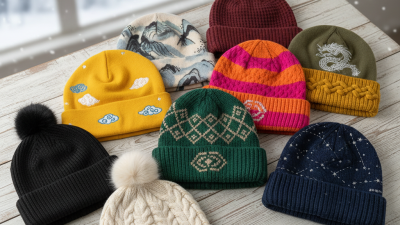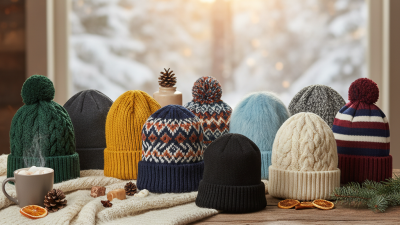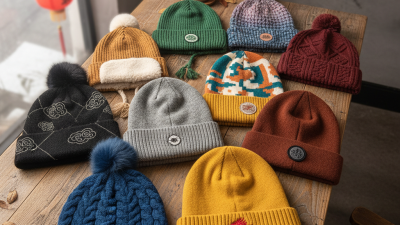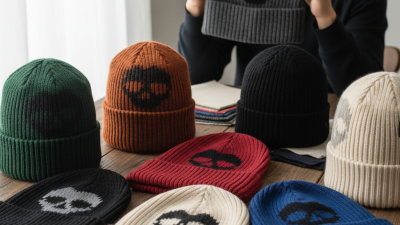
Cool Beanies are no longer limited to winter wardrobes. They now combine warmth, streetwear identity, team spirit, and everyday comfort. Grand View Research’s 2024 hats-market report identifies fashion, online retail, and changing casualwear habits as major growth drivers. Its findings suggest that shoppers increasingly compare design, material, price, and brand story before purchasing headwear.
The opportunity is real. The buying process can still feel unclear.
Technavio’s headwear market analysis also forecasts substantial global growth through 2028, although estimates differ between reports and product categories. That difference matters. A buyer should not treat every market figure as guaranteed. Supplier verification remains essential. Check fabric composition, knitting density, sizing, color consistency, packaging, and sample quality before placing a wholesale order. A soft acrylic beanie may photograph well, yet feel scratchy after ten minutes. That small detail can damage repeat sales.
Renowned milliner Stephen Jones has said, “Hats are the most transformative accessory.” Cool Beanies prove that point in a simpler, more practical form. A folded cuff can create a cleaner silhouette. A bright logo can turn a basic outfit into visible branding. A recycled-fiber label may appeal to sustainability-minded customers, but its certification should be checked carefully.
This guide explains what makes Cool Beanies commercially attractive and how to buy them wholesale with greater confidence. It covers supplier research, minimum order quantities, material selection, customization, pricing, shipping, and quality control. Some recommendations may need adjustment. Local demand, seasonal weather, and customer age can change the best choice. That is why practical testing should come before a large order.
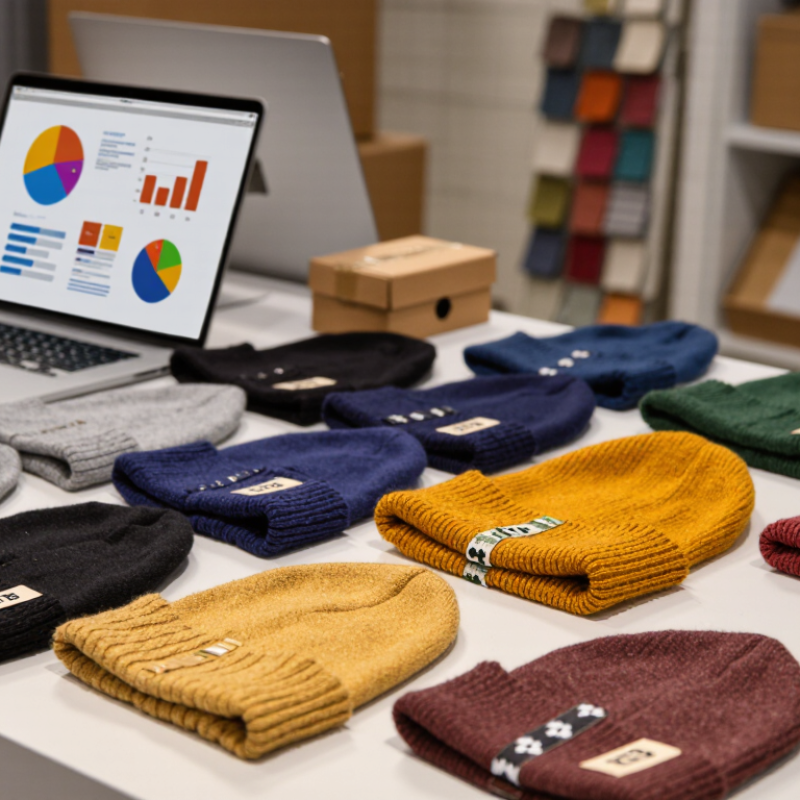
A cool beanie is more than a bright color or oversized pom-pom. It feels intentional, comfortable, and easy to wear in real weather. The best designs balance shape, yarn texture, warmth, and breathability. A folded cuff can frame the face and hold its shape after washing. Soft rib knitting adds stretch, while dense stitching reduces cold drafts. Small details matter. Loose seams, scratchy fibers, or uneven panels quickly weaken that impression.
For wholesale buying, define “cool” through measurable features, not vague trend language. Request a sample and inspect the crown, cuff recovery, label placement, and stitching under bright light. Try it on. A beanie that looks sharp may still trap heat or slide upward. Check fiber content, size measurements, care instructions, and color consistency across samples. Ask the supplier about production tolerances and how rejected pieces are handled. Reliable documentation makes future reorders less uncertain.
Coolness also depends on the wearer and the selling environment.
Neutral shades suit broad markets, but one unusual color can create a stronger display. Texture photographs well, yet screens can distort tone and softness. This is easy to overlook. A perfect sample does not prove perfect bulk production. Randomly inspect delivered units for pilling, odor, loose threads, and size variation. No checklist is perfect. Practical testing should guide the final choice.
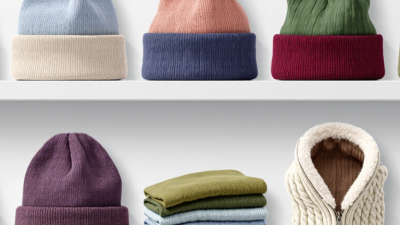
Cool beanies combine warmth, texture, and streetwear appeal. Popular styles include cuffed beanies, relaxed slouch designs, fisherman shapes, and pom-pom versions. Cuffed styles create a clean edge and suit team uniforms or retail displays. Slouch beanies offer a softer silhouette, although their loose shape may not suit every customer. Small details matter.
Acrylic is widely used because it is affordable, lightweight, and easy to dye. Wool provides natural insulation and a richer hand feel, but it can feel itchy for sensitive wearers. Cotton feels breathable, while recycled polyester often improves durability and moisture control. Blended yarns can balance comfort, price, and shape retention. Ribbed knitting adds stretch and helps the hat recover after repeated wear. Fleece lining adds warmth, but it may increase bulk.
Wholesale buyers should inspect samples before confirming large quantities. Check stitching, yarn density, color consistency, washing instructions, and size measurements. Ask for material details and relevant test documents from the supplier. A useful sample test includes wearing the beanie outdoors, washing it, and checking shrinkage afterward. Do not trust photos alone. They hide weak seams and uneven knitting. I have found that a softer beanie is not always the better choice; excessive softness can reduce structure. Confirm minimum order quantities, packaging, production timing, and replacement policies in writing. Small flaws can become expensive when hundreds of pieces arrive.
| Beanie Style | Typical Shape | Common Materials | Warmth Level | Key Features | Best Use or Season | Wholesale Notes |
|---|---|---|---|---|---|---|
| Cuffed Beanie | Close-fitting crown with a folded brim | Acrylic, wool, recycled polyester, or blends | Medium to high | Secure fit, adjustable-looking cuff, large decoration area | Autumn, winter, outdoor uniforms, and everyday wear | A versatile wholesale choice with broad size and color appeal |
| Slouchy Beanie | Longer crown with relaxed fabric volume at the back | Acrylic, cotton, viscose, or lightweight blends | Low to medium | Relaxed silhouette, soft drape, fashion-oriented appearance | Mild weather, streetwear, casual fashion, and transitional seasons | Confirm crown length and head circumference because fit varies by pattern |
| Fisherman Beanie | Short crown worn above or around the ears | Rib-knit acrylic, wool, cotton, or mixed fibers | Medium | Compact profile, structured ribbing, contemporary appearance | Mild to cool weather and casual urban styling | Check whether the shorter cut provides enough ear coverage for the target market |
| Pom-Pom Beanie | Standard or slouchy crown finished with a top pom-pom | Acrylic, wool, recycled fibers, faux-fur, or yarn blends | Medium to high | Decorative top detail, textured knit, gift-friendly design | Winter accessories, holiday collections, and outdoor lifestyle ranges | Ask about pom-pom attachment strength, packaging space, and shipping compression |
| Thermal Beanie | Close-fitting crown designed to retain body heat | Merino wool, polyester fleece, acrylic, thermal blends, or double layers | High | Dense knit, brushed lining, moisture management, or wind-resistant panels | Cold climates, hiking, commuting, and winter workwear | Request fiber content, lining details, stretch recovery, and performance test information |
| Earflap Beanie | Crown with extended side panels covering the ears | Wool, acrylic, fleece, faux fur, or layered blends | High | Extra ear coverage, ties or fasteners, optional lining | Snowy weather, winter travel, and outdoor activities | Verify tie durability, lining comfort, and carton volume before ordering |
| Evaluation Dimension | What to Check | Why It Matters |
|---|---|---|
| Material Composition | Fiber percentages, softness, stretch, pilling resistance, and care requirements | Material affects comfort, warmth, durability, price, and labeling requirements |
| Sizing and Fit | Head circumference range, crown height, brim depth, and stretch recovery | Accurate sizing reduces returns and helps select suitable customer groups |
| Construction Quality | Even knitting, secure seams, clean finishing, stable cuffs, and firmly attached decorations | Consistent construction improves product life and lowers quality-related complaints |
| Customization | Embroidery area, woven labels, color matching, packaging, and minimum order quantity | Customization affects sampling time, order volume, unit cost, and production planning |
| Compliance and Testing | Applicable textile labels, chemical restrictions, colorfastness, and product safety documentation | Documentation supports lawful distribution and responsible product sourcing |
| Shipping and Packaging | Packed quantity, carton dimensions, moisture protection, folding method, and lead time | Packaging and logistics influence landed cost, storage space, and delivery reliability |
Cool beanies are not only winter accessories. They combine warmth, texture, fit, and streetwear appeal. The right product must match your market’s climate and shopping habits. Grand View Research valued the global headwear market at about USD 26.5 billion in 2022. It also forecasts a 6.5% annual growth rate from 2023 to 2030. This growth creates opportunity, but demand is not identical everywhere. A thick wool beanie may sell well in Canada, yet feel uncomfortable in a mild coastal city.
Tips: Study local temperatures, customer age, and preferred colors before ordering. Request samples first. Check seam strength, stretch recovery, lining softness, and pilling after washing. A sample can reveal problems that product photos hide. For active customers, consider breathable acrylic blends or moisture-managing fibers. For premium buyers, finer wool, recycled fibers, and careful finishing may justify a higher wholesale price. Ask suppliers for fiber percentages, size measurements, carton quantities, and test documentation.
Wholesale buyers should compare landed cost, not only unit price. Include shipping, duties, packaging, defects, and minimum order quantities. Fortune Business Insights estimates the global headwear market will continue expanding through the next decade, but broad market figures can hide seasonal risks. Start with a controlled order. Track sell-through by color and size. Black may be safe, but it can also become invisible among competitors. I would test two dependable shades and one local trend color. Forecasting is imperfect. Your first order should teach you something.
Cool beanies combine warmth, texture, and seasonal style. They include ribbed, cuffed, slouchy, recycled-fiber, and lightweight knit designs. Grand View Research estimates the global headwear market reached USD 26.41 billion in 2023. The report also projects a 6.5% compound annual growth rate from 2024 to 2030. This growth creates opportunities for retailers, but supplier quality still varies widely.
Reliable wholesale beanie suppliers should provide clear material details, size measurements, and production timelines. Ask for physical samples before placing a large order. Check the stitching around the cuff and crown. Loose threads often reveal rushed manufacturing. The supplier should also explain minimum order quantities, packaging, defect policies, and shipping terms in writing. Important details.
The Global Organic Textile Standard and OEKO-TEX system offer useful reference points for material and chemical-safety verification. However, a certificate image alone proves little. Request its scope, validity, and covered facility. A practical buying method is to compare three suppliers using the same sample checklist. Record fabric weight, stretch recovery, color consistency, and label accuracy. A low quote can look attractive, but I have learned that weak packaging and uneven sizing create hidden costs. My own supplier reviews are not perfect, either. I sometimes focus too heavily on unit price. Wholesale buyers should review reorder stability, communication speed, and inspection records before choosing a long-term partner.
Cool beanies combine warmth, texture, and street-ready styling. Wholesale buyers should compare more than the unit price. A low quote may hide weak stitching, thin fabric, or expensive shipping. Request a physical sample before placing a large order. Check the rib knit under bright light. Look for even rows, clean seams, and firm stretch recovery.
Compare prices using the same specifications. Record fabric composition, weight, size, colors, packaging, and delivery method. A beanie priced at $3 may cost more after freight and custom packaging. Ask for a complete landed-cost estimate in writing. This prevents awkward surprises later. I once compared two offers using different weight standards, so my first calculation was unreliable. That mistake was avoidable.
Order terms need equal attention. Confirm the minimum order quantity, sample fee, production time, payment schedule, and defect policy. Ask how color approval works before production begins. For a first order, a smaller trial quantity can reveal sizing or pilling problems. It may reduce the discount, though it protects cash flow. Keep approved samples and written measurements for inspection. A dependable supplier should answer clearly and update delays early. If answers remain vague, pause the order. Cheap inventory is not useful when customers reject it.