Leave Your Message
-
Exhibition
-
Phone
-
E-mail
-
Whatsapp
Contact
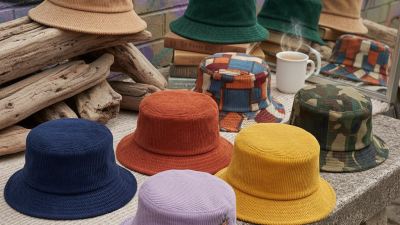
What Is a Corduroy Bucket Hat? It is a soft, round-crowned hat with a downward-sloping brim. Its defining feature is corduroy, a woven fabric marked by raised vertical ribs called wales. These ribs catch light differently as the wearer moves. The result feels warmer and more textured than cotton twill. In practical terms, a Bucket Hat Corduroy design can shade the eyes, soften an outfit, and add seasonal character. It is not a universal solution.
Market evidence helps explain its continued appeal. The Business Research Company’s Headwear Global Market Report identifies casual fashion and online retail as important forces supporting headwear demand. Grand View Research also describes headwear as a growing accessories category, supported by changing lifestyles and fashion experimentation. These reports examine broad headwear markets, not corduroy hats alone. That distinction matters. It prevents exaggerated claims about one fabric or silhouette.
Material research adds another useful perspective. Textile Exchange’s Materials Market Report 2024 reported that global fiber production reached about 124 million tonnes in 2023. Cotton remained one of the major fibers, while recycled and preferred materials gained attention. A corduroy hat may feel sustainable, but its real impact depends on fiber content, dyeing, durability, and disposal. Check the label. Consider the stitching, lining, and brim recovery after repeated wear. A well-made style should keep its shape after being folded into a weekend bag, although some fabrics will crease. That small weakness deserves honesty. Comfort also depends on crown depth, ventilation, and head size. This guide explains the fabric, construction, styling potential, and buying considerations behind the corduroy bucket hat.

A corduroy bucket hat is a soft, rounded hat with a downward-sloping brim. Its fabric has raised vertical ribs called wales. These ribs create a warm texture and help distinguish corduroy from smooth cotton or canvas. The crown usually sits loosely around the head, while the flexible brim shades the eyes and upper face. It is casual, practical, and easy to pack.
Key features include rib width, fabric weight, crown depth, and brim structure. Fine-wale corduroy feels lighter and looks more refined. Wide-wale corduroy appears bolder and often feels warmer. A cotton blend may improve durability, but it can reduce the fabric’s natural softness. The brim should hold its shape without feeling stiff. Fit matters greatly; a hat that is too deep may cover the ears, while a narrow opening can cause pressure. That small detail is easy to overlook.
Tips: Check the inner sweatband before buying. It should feel smooth against the forehead. Leave a little room for movement, especially in warm weather. Brush dust along the ribs instead of rubbing hard. Avoid soaking the hat, because moisture can distort the crown. Air-dry it on a clean, rounded surface. One drawback deserves attention: corduroy can attract lint, and dark colors may show it quickly. A lint brush helps, though regular brushing may still flatten the ribs slightly.
| Data Dimension | Typical Information | Definition and Practical Details |
|---|---|---|
| Product Definition | Soft bucket-style hat | A corduroy bucket hat is a casual hat with a rounded crown and a downward-sloping brim, made primarily from corduroy fabric. |
| Main Fabric | Cotton corduroy is common | Corduroy is a woven fabric with raised parallel ridges, known as wales. Cotton is widely used, while cotton blends may add durability, stretch, or easier care. |
| Distinctive Texture | Raised vertical wales | The ridged surface gives the hat a soft, ribbed texture and a visibly dimensional appearance compared with smooth woven fabrics. |
| Wale Count | Varies from fine to wide | Wale count describes the number of ridges per inch. Fine-wale corduroy has more, narrower ridges, while wide-wale corduroy has fewer, broader ridges. |
| Crown Shape | Rounded or gently structured | The crown generally fits around the head and may be soft and packable or lightly structured with internal support for a more defined shape. |
| Brim Design | Downward-facing, usually flexible | The brim circles the hat and helps shade the eyes and upper face. Its width and firmness vary by design, with many styles allowing the brim to be turned up or down. |
| Common Brim Width | Approximately 5–8 cm | This is a common range for casual bucket hats, although the actual measurement can differ according to the pattern, size, and intended styling. |
| Common Head-Circumference Range | Approximately 55–61 cm | Many adult hat sizes fall within this range. A size label or adjustable closure should be checked because sizing standards differ between products. |
| Interior Construction | Often lined or finished with a sweatband | A lining can improve comfort and help the hat keep its shape, while a sweatband may absorb moisture around the forehead and provide a cleaner fit. |
| Adjustability | Fixed fit or drawstring adjustment | Some bucket hats use a fixed circumference, while others include an internal drawstring, chin cord, or adjustable toggle to improve fit and wind resistance. |
| Warmth Level | Light to moderate | Corduroy is generally more substantial and warmer to the touch than lightweight plain-weave cotton, but it is not usually a substitute for insulated winter headwear. |
| Breathability | Moderate; depends on fabric weight | Breathability is influenced by the fiber content, wale width, fabric density, lining, and construction. Unlined cotton styles generally allow more airflow than heavily lined versions. |
| Sun Coverage | Moderate face and eye coverage | The all-around brim provides shade from several directions, but coverage depends on brim width, crown fit, head position, and the angle of sunlight. |
| Typical Use | Casual wear and outdoor leisure | Common uses include everyday outfits, travel, walking, festivals, photography, and other relaxed outdoor activities in mild or cool weather. |
| Seasonal Suitability | Autumn, spring, and mild winter days | The textured fabric is often associated with cooler seasons. Lightweight or unlined versions can also be worn in mild transitional weather. |
| Care Consideration | Gentle cleaning and low heat | Care should follow the garment label. Excessive heat and aggressive brushing can flatten or damage the raised wales, so gentle washing and air drying are commonly preferred when permitted. |
| Key Advantages | Texture, comfort, and versatile styling | The hat combines a recognizable ribbed surface with a soft hand feel, moderate sun protection, packable construction, and compatibility with casual wardrobes. |
| Key Limitations | Moisture sensitivity and variable breathability | Corduroy may absorb water, take longer to dry, and feel warm in hot conditions. The fabric can also show compression or wear on the raised ridges over time. |
Measurements and performance characteristics are typical ranges or general material properties; individual products may differ according to fabric weight, fiber blend, pattern, lining, and construction.