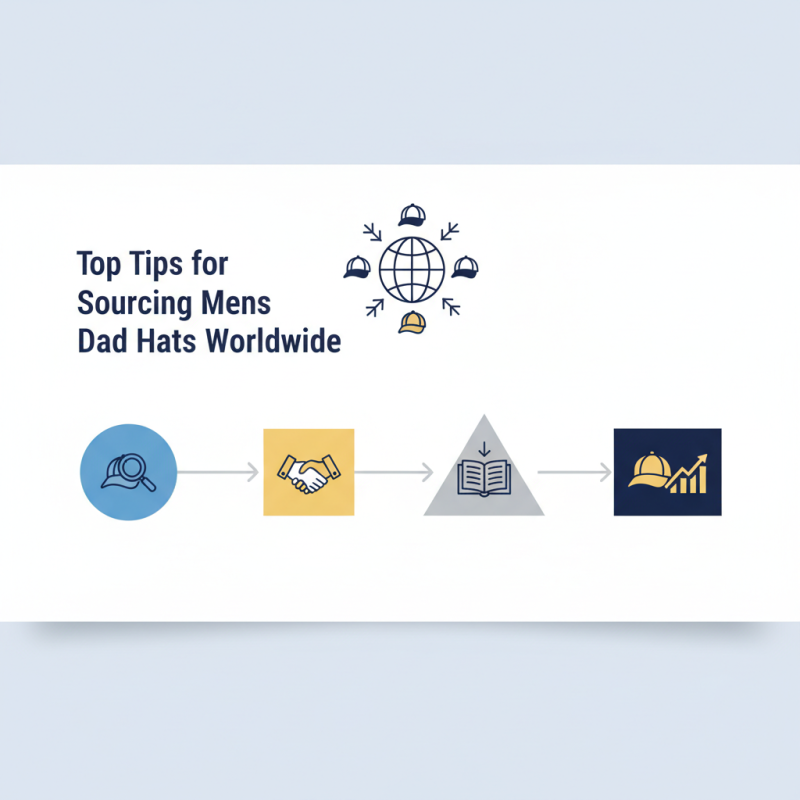
Top Tips for Sourcing Mens Dad Hats Worldwide
Sourcing Mens Dad Hats worldwide can be both exciting and challenging. These hats have become a staple in casual fashion, appealing to diverse audiences. With the right strategies, however, you can effectively tap into the global marketplace.
Understanding the different styles and cultural significance of Mens Dad Hats is crucial. Each region brings its unique designs and flavors. Collaborating with local suppliers provides insights that can enhance your offerings. Yet, it's important to reflect on past experiences and learn from any missteps. Not every sourcing attempt will yield success.
Quality and trend awareness are key in this niche. The hat's materials, craftsmanship, and branding matter. Staying updated on fashion trends will help you curate appealing collections. Some efforts may not meet expectations. Embrace these challenges to refine your approach and build a reliable sourcing network.
Understanding Dad Hats: A Brief Overview of Their Popularity
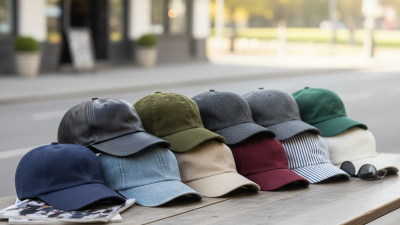
Dad hats have emerged as a fashionable accessory in recent years. Their relaxed style appeals to a wide demographic. Made with soft cotton or canvas, these hats offer comfort. They often feature an adjustable strap, ensuring a good fit for everyone. The slight pre-curved brim adds an element of style while maintaining practicality.
The popularity of dad hats can be attributed to their versatility. They pair well with various outfits, from casual tees to tailored jackets. Many people enjoy their retro vibe, reminiscent of the '90s. Social media influencers have played a significant role in promoting this trend. Yet, with overwhelming options available, finding the right style can be challenging. Some hats may lack quality, fading quickly or losing shape.
Shoppers often feel pressure to follow trends. It’s essential to prioritize personal taste over what's currently in vogue. Selecting a hat that truly resonates can enhance personal style. Reflecting on choices can lead to better decisions. In the end, a dad hat should be more than just an accessory; it should represent individual expression.
Top Tips for Sourcing Mens Dad Hats Worldwide
| Region |
Popular Materials |
Average Price (USD) |
Common Styles |
Market Demand |
| North America |
Cotton, Twill |
25 |
Classic, Snapback |
High |
| Europe |
Canvas, Polyester |
30 |
Curved Visor, Vintage |
Moderate |
| Asia |
Cotton, Nylon |
20 |
Fashion, Sports |
Growing |
| South America |
Bamboo, Recycled Materials |
22 |
Eco-Friendly, Relaxed Fit |
Moderate |
| Oceania |
Wool, Cotton Blend |
28 |
Casual, Daily Wear |
Low |
Identifying Reliable Suppliers for Men's Dad Hats Globally
When sourcing men's dad hats globally, identifying reliable suppliers is crucial. Start by researching potential manufacturers online. Look for companies with positive reviews. Verify their credentials to ensure they comply with international standards. A solid reputation can save you from future hassles. Contact suppliers directly for clarity on their production processes.
Visit trade shows or industry events. This face-to-face interaction can build trust. It also allows you to inspect the quality of the hats in person. Observe their fabric choices and stitching detail. You might discover that some suppliers cut corners on materials. Check for samples, as they highlight the supplier's commitment to quality.
Lastly, remember pricing isn't everything. The cheapest option may lead to poor quality. Take time to evaluate communication styles and reliability. A responsive supplier fosters a better partnership. Evaluate their ability to meet deadlines, as delays can hurt your business. Always question if their practices align with your values. Finding a long-term reliable supplier takes effort but is worth it.
Key Factors to Consider When Sourcing Dad Hats
Sourcing men's dad hats involves several key factors. Quality is crucial; choose materials that are durable yet comfortable. Cotton and polyester blends are popular choices. They offer breathability and hold their shape well. Pay attention to the stitching and finishing. Flawed hats can tarnish your brand image.
Market research plays a vital role in sourcing. Understanding trends helps you meet customer preferences. Look into popular colors and designs. Take note of seasonal variations. They influence demand significantly. Trends can change quickly, so stay updated.
Another aspect is supplier reliability. Work with manufacturers known for their quality control. Assess their production capacity to ensure timely deliveries. Communication is critical. Establish clear guidelines and expectations early on. Unexpected issues can arise, so build a good relationship with your suppliers.
Top Tips for Sourcing Men's Dad Hats Worldwide
Exploring Different Styles and Materials for Men's Dad Hats
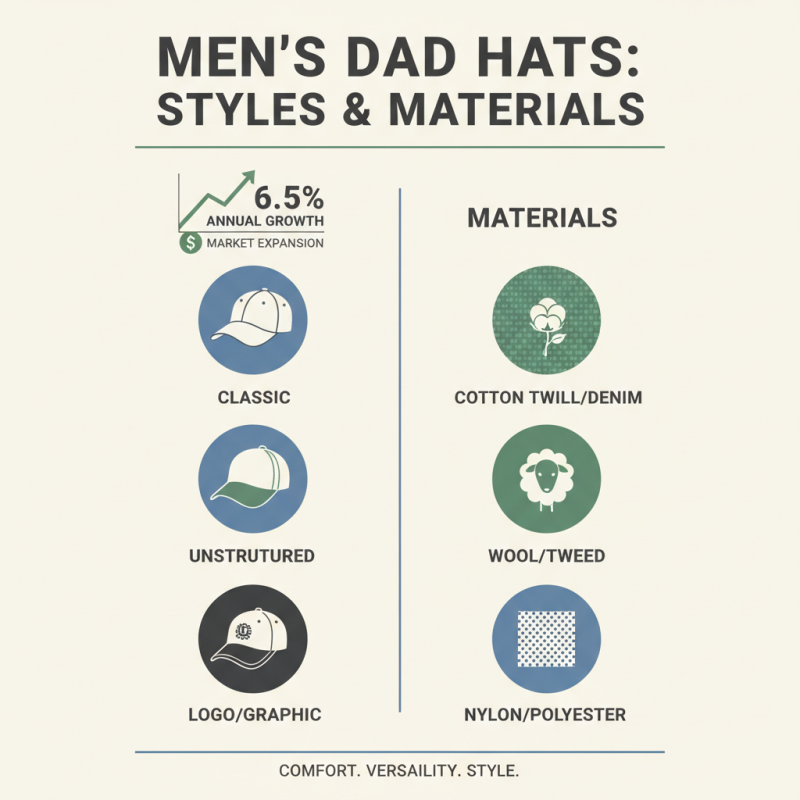
Men's dad hats have gained popularity due to their versatility and style. The market for these hats is projected to grow at a rate of 6.5% annually, reaching substantial figures in the coming years. This growth comes as consumers seek comfortable, practical headwear. The choices in styles and materials are vast, making it essential for buyers to consider their options carefully.
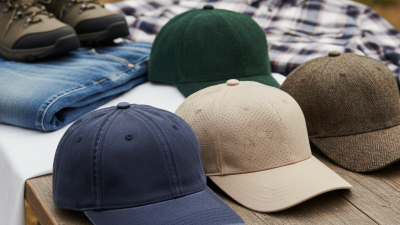
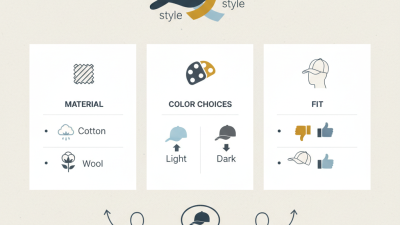
Cotton and polyester are common materials for dad hats. Cotton offers breathability and softness, while polyester enhances durability and weather resistance. Different styles, such as adjustable straps or pre-curved brims, cater to varying preferences. Additionally, embroidered logos and print designs add a unique flair. Data shows that consumers increasingly favor customizable options, reflecting a trend in personal expression through fashion.
However, sourcing can be challenging. Quality control issues often arise when dealing with multiple suppliers. Some manufacturers may not meet safety regulations or ethical standards. It’s crucial to prioritize suppliers with transparent practices. Regular audits and direct communication can help ensure compliance, but they require time and resources. Balancing quality, cost, and ethical sourcing remains a continuous hurdle in the industry.
Tips for Ensuring Quality and Ethical Production in Sourcing
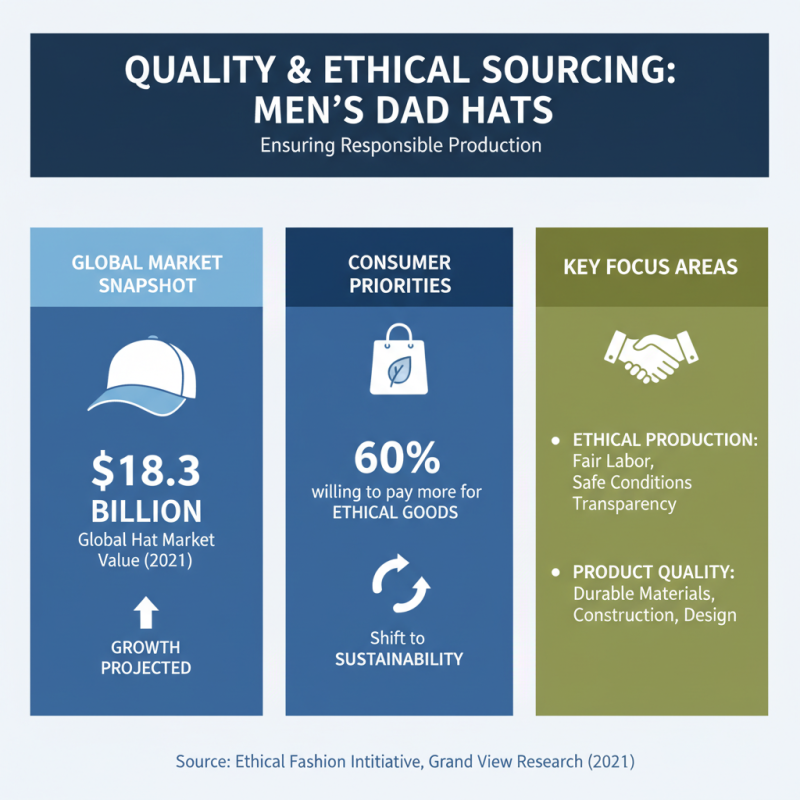
When sourcing men's dad hats, quality and ethical production should be top priorities. The global hat market size was valued at approximately $18.3 billion in 2021 and is projected to grow. As the demand increases, so does the need for responsible sourcing practices. According to the Ethical Fashion Initiative, around 60% of consumers are willing to pay more for ethically produced goods. This indicates a shift in consumer priorities toward sustainability.
Selecting suppliers with robust ethical standards is crucial. Conducting thorough audits can reveal workplace conditions. It’s essential to ensure that factories comply with labor laws and fair wages. Reports suggest that poor working conditions lead to high employee turnover rates, impacting production quality. Utilizing third-party certifications can provide insight into a supplier’s practices, but consumers must also take these claims with caution.
Building relationships with suppliers can enhance transparency. Regular communication fosters trust and accountability. Engaging in local communities can yield insights into ethical practices that might otherwise go unchecked. However, there can be challenges in balancing cost and ethical compliance. Compromises may lead to subpar materials or practices. It's necessary to continuously evaluate your sourcing strategy to align with ethical standards while maintaining the desired quality.