Leave Your Message
-
Exhibition
-
Phone
-
E-mail
-
Whatsapp
Contact
For global buyers, the Short Beanie is more than a compact winter accessory. Its shallow crown, close fit, and reduced fabric volume make it suitable for urban wear, travel, uniforms, and layered outdoor styling. Yet, choosing the right type requires more than checking a product photograph. Buyers should examine yarn composition, stretch recovery, seam quality, crown height, and label placement. A beanie may look neat on a flat table but feel restrictive after several hours of wear.
Elena Rossi, a knitwear product consultant with over fifteen years of sourcing experience, says, “A successful Short Beanie balances warmth, recovery, and everyday comfort.” Her observation offers a practical starting point. Rib-knit styles often provide stronger elasticity, while fisherman-inspired versions create a firmer, more structured appearance. Merino blends can feel warm and breathable, although their cost may challenge entry-level programs. Acrylic options offer color consistency and easier price control, but poor-quality fibers may feel harsh against the forehead.
Global buyers also need to consider climate, head-size variation, washing conditions, and regional style preferences. Neutral shades, such as charcoal, navy, and oatmeal, usually support wider retail use. Still, safe colors can become forgettable. That is a real weakness. Small details, including a folded cuff, contrast label, or recycled yarn story, may improve product distinction. However, sustainability claims should be supported by reliable supplier documentation. This guide compares the leading Short Beanie types and highlights where each design performs well, where it struggles, and what buyers may overlook.
Top Short Beanie Types for Global Buyers
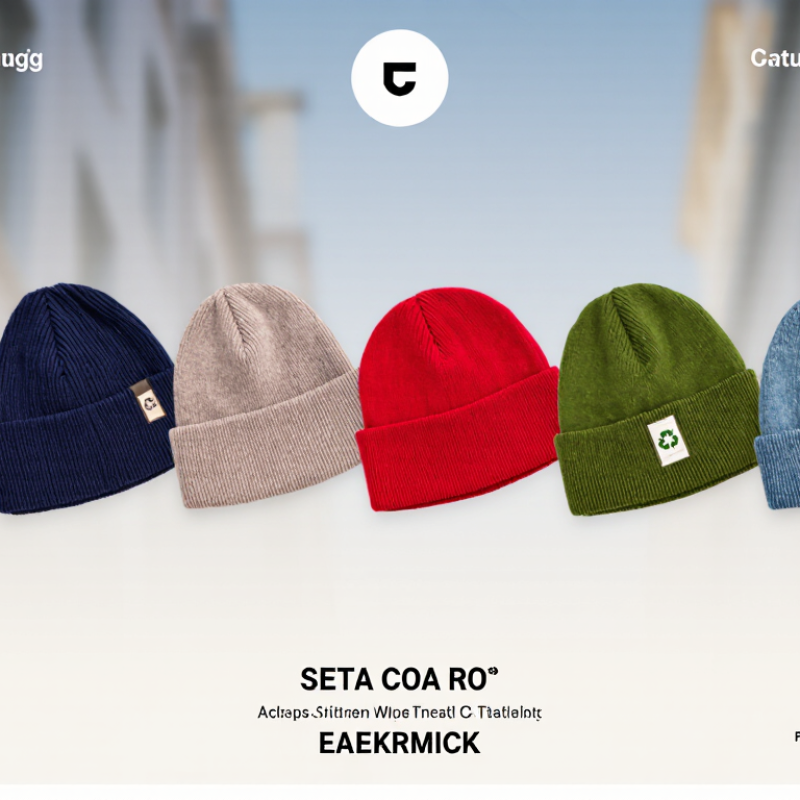
A short beanie has a shallow crown and a close, structured fit. It usually sits above or around the ears, rather than falling toward the neck. Its main features include crown height, stretch recovery, knit density, cuff width, and seam quality. Cuffed, fisherman, rib-knit, and lightweight jersey styles are common options. Each suits different climates and wearing habits.
For global buyers, fiber selection needs careful checking. The Textile Exchange Materials Market Report 2024 states that polyester represented about 57% of global fiber production in 2023. Recycled polyester can reduce virgin-fiber demand, but certification and traceability still require verification. Wool offers strong insulation and moisture management, while acrylic often provides lower-cost, consistent sizing. That trade-off matters.
Fit is the real test.
Grand View Research estimated the global headwear market at over 20 billion dollars in 2022, with continued growth expected through 2030. This figure covers wider headwear categories, so it does not measure short beanies alone. Still, it shows expanding demand for practical head accessories. Buyers should request crown-depth measurements, stretch tests, colorfastness results, and wash samples. A short beanie may look compact in product photos but feel restrictive on larger heads. I have found that size grading is often less reliable than expected.
| Short Beanie Type | Typical Crown Height | Defining Construction | Common Materials | Warmth Level | Typical Fit and Appearance | Suitable Use | Main Buying Considerations |
|---|---|---|---|---|---|---|---|
| Fisherman Short Beanie | Approximately 15–20 cm | Short crown with a folded cuff that sits above or around the ears. | Acrylic, wool, cotton, recycled polyester, or blended yarns. | Light to medium | Compact, structured, and close-fitting; leaves part of the upper ear area exposed on many wearers. | Urban casualwear, transitional weather, workwear styling, and fashion collections. | Check cuff height, stretch recovery, head circumference range, and whether the design is intended to cover the ears fully. |
| Cuffed Short Beanie | Approximately 16–22 cm | One or more turned-up layers create a stable lower band and a defined edge. | Acrylic, wool, merino wool, cotton, and synthetic blends. | Light to medium | Neat silhouette with adjustable visual depth depending on how the cuff is folded. | Everyday accessories, promotional apparel, retail basics, and seasonal uniforms. | Compare single-layer and double-layer cuffs, seam placement, pilling resistance, and colorfastness. |
| Rib-Knit Short Beanie | Approximately 16–22 cm | Vertical rib structure provides stretch, texture, and shape retention. | Acrylic, wool, cotton, viscose, and mixed fibers. | Light to medium | Close fit with visible vertical texture; generally adapts well to different head shapes. | Daily wear, streetwear, outdoor lifestyle ranges, and unisex accessory lines. | Review rib density, recovery after stretching, seam comfort, and size grading for different markets. |
| Fisherman Rib Short Beanie | Approximately 15–20 cm | Chunkier rib pattern with a compact crown and a prominent folded cuff. | Wool, acrylic, cotton blends, and recycled synthetic yarns. | Medium | Thicker and more textured than a standard fine-rib style; creates a strong, compact profile. | Cool-weather casualwear, workwear-inspired collections, and contemporary fashion accessories. | Account for increased fabric weight, bulkier packing volume, and possible variation in stretch. |
| Shallow Watch Cap | Approximately 14–19 cm | Low-profile knitted cap, usually with a short crown and a firm lower edge. | Wool, acrylic, cotton, polyester, or blended yarns. | Light to medium | Close to the head with a utilitarian appearance; coverage may stop above the ears. | Outdoor lifestyle, workwear, casual uniforms, and mild-to-cool climates. | Confirm whether the pattern is designed for partial or full ear coverage and test comfort during extended wear. |
| Short Pom-Pom Beanie | Approximately 18–24 cm excluding the pom-pom | Short knitted crown finished with a decorative pom-pom on top. | Acrylic, wool, recycled polyester, and blended yarns. | Medium | Playful appearance with a compact crown; the pom-pom adds height without changing the basic short-beanie fit. | Winter accessories, youth collections, holiday assortments, and casual outdoor use. | Check pom-pom attachment strength, washing instructions, crown stretch, and packaging protection. |
| Short Ear-Covering Beanie | Approximately 18–23 cm | Short overall crown combined with a lower edge designed to cover the ears. | Merino wool, acrylic, fleece-lined knits, polyester, and blended yarns. | Medium to high | Compact but more protective than shallow styles; usually has a deeper or more elasticated lower band. | Cold-weather commuting, outdoor recreation, travel, and winter workwear. | Prioritize ear coverage, lining breathability, moisture management, wind resistance, and stretch recovery. |
| Lightweight Cotton Short Beanie | Approximately 15–21 cm | Low-bulk knit designed for a soft hand feel and reduced insulation. | Cotton, cotton-modal blends, lightweight acrylic, or cotton-polyester blends. | Low | Soft, breathable, and less bulky than wool-rich versions; suitable for indoor or mild-weather styling. | Spring and autumn collections, indoor wear, travel, and lightweight fashion accessories. | Evaluate shrinkage, drying time, color retention, seam softness, and performance in humid conditions. |
| Double-Layer Short Beanie | Approximately 17–23 cm | Two knitted layers improve insulation and create a denser, more stable shape. | Acrylic, wool, merino wool, recycled polyester, or blended yarns. | Medium to high | More substantial feel with a smoother outline and improved resistance to wind penetration. | Cool climates, winter travel, outdoor activities, and premium cold-weather accessory ranges. | Compare total weight, breathability, drying time, head-size tolerance, and comfort in extended use. |
| Reversible Short Beanie | Approximately 17–22 cm | Designed to be worn on either side, often using contrasting colors, textures, or patterns. | Double-layer acrylic, polyester, cotton blends, or wool blends. | Medium | Versatile compact silhouette; usually has clean finishing on both sides and minimal exposed seams. | Travel accessories, lifestyle collections, gift programs, and space-saving wardrobes. | Inspect finishing on both faces, label placement, color compatibility, and whether both sides provide equal comfort. |
Note: A short beanie is generally defined by its low-profile crown and limited excess fabric at the top, rather than by one universal measurement. Crown heights above are practical industry ranges and can vary according to knitting tension, material stretch, cuff construction, and the intended head-size range.