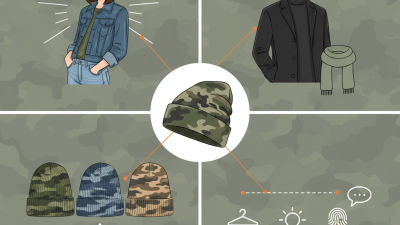
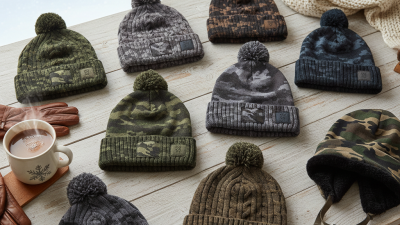
Camo Beanie styles are moving beyond basic winter protection. They now combine outdoor identity, streetwear appeal, comfort, and practical weather resistance. For global buyers, this shift creates opportunity, but it also demands closer product evaluation.
The U.S. Bureau of Economic Analysis reported that outdoor recreation contributed about $1.2 trillion to the American economy in 2023. That figure does not measure Camo Beanie sales directly. Still, it signals strong interest in outdoor clothing and related accessories. The Business of Fashion and McKinsey’s State of Fashion reports also describe a cautious fashion market, where value, durability, and responsible sourcing increasingly influence purchasing decisions. Small details matter. A soft recycled-polyester lining can improve comfort. A dense knit can reduce wind penetration. A carefully scaled camouflage print can make a beanie feel refined rather than excessive.
Realtree founder Bill Jordan has described camouflage as “blending into the environment.” That idea remains useful, although modern buyers often seek visibility and personal style, too. A forest pattern may suit hiking, while muted urban camouflage may perform better in daily commuting. Not every popular design works across regions. Climate, head sizes, color preferences, and retail expectations vary widely.
This guide examines ten Camo Beanie styles for international buyers. It considers materials, fit, pattern scale, seasonal use, customization potential, and supplier reliability. Some conclusions remain subjective. That is unavoidable. A beanie that feels premium in one market may seem ordinary elsewhere. Careful sampling, wear testing, and honest product descriptions should guide the final decision.
Camo beanies usually begin with five core fits: watch cap, cuffed, slouch, balaclava, and earflap.
A watch cap sits close to the head, making it practical for active outdoor work and mild winter travel. Its compact shape packs easily, but a tight opening may feel uncomfortable on larger heads.
The cuffed beanie adds a folded band around the forehead. This structure improves warmth and supports simple woven labels without naming any brand. Buyers should check cuff height, stretch recovery, and seam softness.
A slouch beanie offers a relaxed crown with extra fabric at the back. It suits casual styling, but excessive volume can reduce stability during movement.
The balaclava covers the head, neck, and part of the face. It is useful in cold, windy settings, although breathability requires careful testing.
Earflap styles extend coverage beside the ears and often include ties or small fastening details. They work well for children and adults, but dangling cords may need reconsideration for safety and comfort.
Experienced buyers should compare head circumference, fabric weight, lining, and washing performance before placing large orders. Camouflage patterns also need clear color control across production batches. Digital images can hide differences in green, brown, or charcoal tones. A physical sample is more reliable. I have found that one-size claims often create avoidable returns. Measuring several wearers gives better guidance than trusting a single model. These five fits can support many variations through changes in cuffs, panels, linings, and ear coverage.
Reversible camo beanies offer two visual options in one compact item. One side may use a woodland print, while the other uses a quieter solid shade. This design suits buyers serving changing outdoor preferences. Check whether the pattern remains aligned after repeated turning. Loose seams can appear quickly. Pom-pom beanies add a playful, visible detail and often attract lifestyle customers. However, the pom-pom can catch on backpack straps. Secure stitching matters more than its size.
Trapper beanies provide stronger coverage around the ears and sides of the face. They work well in cold, windy regions, especially when the ear flaps fasten firmly. Buyers should inspect lining thickness and buckle quality. Fleece-lined beanies feel warmer, but dense fleece can reduce breathability during active use. I once overvalued softness and ignored moisture control. That was a poor judgment. A practical sample test should include warmth, pressure, washing, and drying time.
Mesh beanies target warmer climates and high-movement activities. Their ventilation reduces heat buildup, yet thin mesh may offer limited protection after sunset. Look for reinforced edges and a stable stretch band. For international purchasing, request fiber content, size measurements, colorfastness results, and clear packing details. Ask for samples from different production batches when consistency matters. Photos can hide uneven stitching. Real handling reveals it. Temperature, humidity, and customer habits differ widely, so one style rarely performs equally everywhere.
This classification compares the number of defining visual or construction features in each camo beanie style. The first ten are camouflage pattern families, followed by five functional variations: reversible, pom-pom, trapper, fleece-lined, and mesh.
Pattern-based styles emphasize visual identity, while the five additional classifications add versatility, warmth, coverage, or ventilation for different climates and buyer requirements.
Camo beanies now include cuffed, slouch, fisherman, pom-pom, and ear-flap designs. Reversible patterns also attract buyers seeking flexible winter accessories. Yet appearance cannot prove fiber content or recycled origin. ISO 1833 provides standardized methods for identifying and measuring textile fibers. A laboratory can test whether a beanie contains acrylic, polyester, wool, or blended fibers. Request the applicable ISO 1833 test report, sample details, test date, and laboratory information. Check that the report matches the actual production fabric.
RCS verification addresses a different question. The Recycled Claim Standard supports traceability for recycled materials through the supply chain. Ask for a valid certificate, scope, transaction documentation, and supplier details. A recycled claim should connect to the finished beanie, not only to an old mill statement. Physical labels, packaging, and invoices should use consistent wording. The process is not flawless. Mixed lots, changed yarn suppliers, and unclear percentages can create gaps. Buyers should challenge vague claims before approving large orders.
Tips: Compare the test report with the fiber label. Keep a sealed production sample for later checks. Confirm whether recycled content is pre-consumer or post-consumer. Inspect the cuff, stitching, and camouflage print after washing. A stylish slouch beanie may still fail if its composition is undocumented. Better records make responsible purchasing more practical, even when verification feels slow.
For global buyers, the top ten camo beanie styles may include woodland, snow, leaf, digital, desert, marsh, mountain, brush, urban, and muted abstract patterns. Their visual appeal matters, but performance testing matters more. ISO 6330 evaluates textile washing procedures under controlled domestic conditions. It helps reveal shrinkage, seam distortion, loose fibers, and print fading after repeated washes. A beanie may look excellent before testing, yet lose contrast after three cycles.
ISO 105-B02 assesses lightfastness through controlled artificial light exposure. The test compares color change against standardized blue wool references. This detail is important for buyers shipping products to bright outdoor markets. Dark green can shift toward gray, while brown may become noticeably pale. Test reports should identify the exposure method, grading result, fabric composition, and tested colorway. One sample cannot represent every dye lot. That is an easy mistake.
Tips: Wash finished beanies, not fabric scraps alone. Photograph each sample under the same daylight before and after testing. Check the folded cuff, printed edge, and stitched emblem area. Request conditioning details from the laboratory. Keep a retained sample for later comparison.
I have seen buyers focus on pattern sharpness first. That choice can miss durability problems. A stronger review combines appearance, washing evidence, and light exposure results. Testing is not perfect, either. Real sunlight, detergents, humidity, and wear can vary between regions. Procurement teams should record those limits before approving large quantities.
Top 10 Camo Beanie Styles for Global Buyers: Compliance Before Appearance
From woodland and snow camo to digital, desert, urban, and leaf patterns, beanie styles attract different markets. Yet every print, yarn, patch, label, and metal detail needs a compliance review. Under REACH, an article containing a Candidate List SVHC above 0.1% by weight may trigger communication duties. The threshold applies to the article, not only the fabric. ECHA’s 2024 REF-13 enforcement report inspected 2,407 products and found 18% non-compliant. That figure deserves attention. It shows why visual quality cannot replace chemical verification.
For children’s camo beanies sold in the United States, CPSIA limits lead in accessible component parts to 100 ppm. Testing should cover embroidery threads, coated badges, snaps, trims, and printed surfaces. CPSC guidance also emphasizes third-party testing and certification for applicable children’s products. Request recent laboratory reports using recognized methods, then match samples against production batches. Supplier declarations help, but they are not enough. Small color changes can alter pigments and chemical results. I have seen compliance checks focus on fabric while overlooking a plastic logo patch. That is an avoidable weakness. Keep purchase specifications, test reports, batch records, and age-grading evidence together. A practical file should identify each camo style and every attached component. Experiences differ across factories, so repeated testing remains sensible.
| Rank | Beanie Style | Camo Pattern Direction | Common Fiber Composition | Knit & Construction | Typical Use Profile | Global Buyer Fit | REACH Compliance Checkpoint | CPSIA Lead Checkpoint | Recommended Verification Documents |
|---|---|---|---|---|---|---|---|---|---|
| 1 | Classic Cuff Beanie | Traditional woodland or leaf-based camouflage with muted green, brown, tan and black tones. | 100% acrylic is common; wool or recycled polyester blends are also used. | Plain jersey knit with a doubled turn-up cuff for added warmth and structure. | General outdoor wear, cold-weather workwear and everyday winter accessories. | Suitable for broad adult and youth lifestyle assortments when sizing and labeling are controlled. | TargetScreen dyes, pigments, finishes, yarns and trims against the current REACH Candidate List. SVHC concentration should remain below 0.1% by weight in each article. | TargetFor U.S. children’s products, accessible component parts should meet the CPSIA total lead limit of 100 ppm. Test printed areas, labels, snaps and decorations separately where applicable. | Material declarations, supplier chemical declaration, accredited laboratory SVHC screening and lead test report. |
| 2 | Slouch Camo Beanie | Large-scale digital or abstract camouflage designed to emphasize a relaxed silhouette. | Acrylic, polyester or acrylic-polyester blends are commonly specified for lightweight stretch. | Single-layer rib or jersey knit with extra crown length and a loose back drape. | Urban outdoor styling, travel, casual streetwear and transitional seasons. | Useful for fashion-focused global buyers seeking a relaxed fit rather than maximum insulation. | Verify the fiber blend, colorants, softeners and any anti-pilling treatment. Assess each distinct article or component for the 0.1% SVHC threshold. | Confirm that printed camouflage, woven labels, thread coatings and decorative attachments do not exceed 100 ppm lead in accessible parts for children’s products. | Bill of materials, colorant compliance statement, SVHC test report and CPSIA lead test report where children’s use is intended. |
| 3 | Fisherman Short Beanie | High-contrast micro-camo, bark camouflage or monochrome tonal camouflage. | Acrylic, cotton, wool or blended yarns; the exact composition should be shown on the fiber label. | Short crown with a pronounced folded cuff, commonly made in dense rib knit. | Workwear-inspired fashion, mild winter conditions and compact travel packing. | Fits buyers prioritizing a modern compact shape and low-profile presentation. | Check yarn, dye, finishing agent and any adhesive used for patches or woven insignia against the REACH Candidate List. | For products marketed to children, test all accessible dyed or coated surfaces and any metal or plastic attachments against the 100 ppm lead limit. | Fiber-content record, trim specification, chemical declaration and laboratory reports for SVHC and lead. |
| 4 | Earflap Camo Beanie | Woodland, snow camouflage or winter brush camouflage. | Commonly acrylic or wool-blend knit with polyester fleece lining and synthetic tie cords. | Full crown with integrated earflaps, braided or flat ties and optional pom-pom details. | Cold-weather outdoor activities, winter commuting and children’s seasonal accessories. | Appropriate for colder regions, but buyers should review cord safety and age grading for children’s products. | Include lining, cords, pom-poms, coatings and adhesives in the chemical review. The 0.1% SVHC assessment applies to each relevant article. | Test accessible printed, dyed, coated and metal components for total lead. Lead compliance does not replace applicable cord, small-parts or flammability reviews. | REACH screening, lead test report, component list, age-grade review and product safety specification. |
| 5 | Pom-Pom Camo Beanie | Traditional forest camouflage, snow camo or subdued tonal camo with a contrasting top pom-pom. | Acrylic or wool-blend body with acrylic, polyester or faux-fur pom-pom fibers. | Ribbed or jersey crown with a sewn or securely attached pom-pom. | Winter gifting, outdoor leisure and seasonal family collections. | Works well for gift-oriented assortments, subject to secure attachment and age-grade evaluation. | Review the body yarn, pom-pom fibers, dyes, backing materials and attachment thread for SVHC content below 0.1% per article. | For children’s products, test accessible pom-pom materials, labels, printed areas and any attachment hardware for lead at or below 100 ppm. | Attachment inspection, fiber declaration, SVHC screening, CPSIA lead report and small-parts assessment where relevant. |
| 6 | Camo Watch Cap | Military-inspired tonal camouflage, digital pixel camo or neutral gray-green camouflage. | Acrylic, wool, recycled polyester or blended yarns are frequently used. | Close-fitting, short-to-medium crown with a single or double cuff and dense rib structure. | Outdoor work, security-inspired styling, hiking and everyday cold-weather wear. | Suitable for uniform-adjacent and functional collections without requiring a long crown. | Check recycled fiber inputs, dyes, anti-odor treatments, softeners and labels for Candidate List substances. | Verify that accessible printed graphics, labels, thread coatings and hardware meet the 100 ppm total lead limit when intended for children. | Recycled-content documentation where claimed, chemical declaration, SVHC screening and lead test report. |
| 7 | Thermal Lined Camo Beanie | High-definition woodland, mountain or snow camouflage on the outer shell. | Outer acrylic or polyester knit with polyester fleece, brushed tricot or thermal lining. | Double-layer construction, often with a stretch rib opening and brushed inner surface. | Low-temperature outdoor use, winter sports support wear and cold-region distribution. | Best suited to buyers seeking warmth and coverage rather than a lightweight fashion accessory. | Assess outer yarn, lining, brushed finish, elastic, labels and sewing treatments separately for SVHC content. | For children’s products, test accessible outer and lining surfaces, prints, labels and trims for total lead not exceeding 100 ppm. | Full bill of materials, lining specification, chemical risk assessment, SVHC report and CPSIA lead report. |
| 8 | Reversible Camo Beanie | Two coordinated camouflage faces, such as woodland on one side and tonal or snow camo on the other. | Polyester, recycled polyester, acrylic or blended double-knit fabrics. | Reversible double-layer construction with concealed seams and minimal external trim. | Travel, outdoor recreation and buyers seeking two styling options from one item. | Offers merchandising flexibility, but both faces and all internal components require review. | Evaluate both printed or dyed faces, seam tapes, labels, elastics and finishing chemicals. Each article must be considered for the 0.1% SVHC threshold. | For children’s products, confirm lead compliance for both exposed faces and any accessible internal or decorative components. | Two-sided material declaration, colorway approval record, SVHC screening and lead test reports for finished goods. |
| 9 | Camo Cuff-and-Patch Beanie | Muted camouflage base with a sewn textile patch or non-metal emblem area. | Acrylic or cotton-blend knit with polyester, cotton or rubberized patch materials. | Turn-up cuff with stitched woven patch, embroidered patch or printed fabric badge. | Outdoor lifestyle, club-style collections and casual workwear capsules. | Suitable for buyers requiring a decoration area, provided patch materials and attachment are verified. | Test or document the patch, backing, embroidery thread, adhesives, dyes and base yarn. Do not assume the patch is exempt from the article-level assessment. | For children’s products, test the accessible patch, print, thread and any coating for total lead at or below 100 ppm. | Patch material specification, adhesive declaration, REACH screening, lead testing and attachment-quality inspection. |
| 10 | Lightweight Mesh-Panel Camo Beanie | Fine-scale digital, brush or neutral camouflage with breathable mesh or perforated sections. | Polyester, recycled polyester, nylon or polyester-elastane blends. | Lightweight stretch knit with mesh panels, ventilation zones or moisture-management finishing. | Running, hiking, cycling, warm-climate outdoor use and shoulder-season travel. | Designed for buyers targeting performance-oriented and warmer-weather accessories. | Review moisture-management finishes, elastane, printing, mesh yarn and labels against the current REACH Candidate List. | For children’s products, test accessible printed and coated surfaces, labels and elastic components for total lead within the 100 ppm limit. | Performance-finish declaration, fiber record, SVHC laboratory screening and finished-product lead report. |

| Compliance reference: The REACH 0.1% SVHC threshold is assessed by weight in each relevant article. The CPSIA total lead limit is 100 ppm for accessible component parts of covered children’s products in the United States. Final conformity should be confirmed using the current legal requirements, complete bill of materials, age grading and accredited laboratory testing. | |||||||||