Leave Your Message

China Top 10 Bucket Hat Cord Suppliers for Global Buyers

China remains a major sourcing base for apparel components, including cords used on bucket hats. Yet choosing a supplier takes more than comparing prices. Buyers need dependable specifications, consistent colors, secure cord locks, and clear communication about production capacity.

The wider industry offers useful context. McKinsey and The Business of Fashion’s State of Fashion 2024 report projected global fashion growth of 2–4% for 2024, while noting continued cost and demand pressures. Textile Exchange’s Materials Market Report 2024 estimated global fiber production at 124 million tonnes in 2023. These figures do not measure bucket hat cord demand directly. They do, however, underline why material choices and sourcing checks matter.

This guide introduces ten China-based suppliers for global buyers to investigate. It focuses on practical questions: available cord materials, diameter options, color matching, customization, sample lead times, and quality-control procedures. Ask for current specifications and samples before placing a production order. Small details matter. A cord that looks right in a catalog may feel too stiff or slip through its stopper. Supplier lists also have limits; capabilities and certifications can change, so buyers should verify claims independently. The aim here is a clearer starting point, not a guarantee of fit.
China Top 10 Bucket Hat Cord Suppliers for Global Buyers

Bucket Hat Cords: Product Types, Construction Methods, and Key Specifications

Bucket-hat cords are commonly made as braided, twisted, or knitted constructions. Braided cords usually hold their shape and resist surface abrasion; twisted cords feel softer but may loosen at cut ends. Knitted cords can add stretch, though that stretch may reduce their stability under repeated pulling. Details matter.

Material choices include polyester, nylon, cotton, and blends. Textile Exchange’s Materials Market Report 2024 estimates that polyester represented 57% of global fiber production in 2023, a useful sourcing context—not a cord-specific market figure. Buyers should specify fiber content, finished diameter, usable length, color, and end treatment. A sealed or stitched end helps limit fraying; a small metal or plastic tip changes weight and hand feel.

Construction affects testing. Ask suppliers to measure diameter under consistent conditions and report breaking force for the finished cord, not only its raw yarn. For hats exposed to rain or frequent washing, request colorfastness and shrinkage results. ISO 2062 covers tensile testing of yarns, but yarn results alone may not predict finished-cord performance. Not always. Sample cords should be checked through repeated pulls and knotting; that practical check is useful, though it cannot replace documented test results.

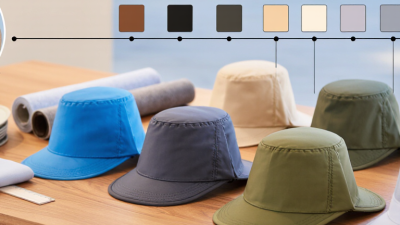
China’s Top 10 Suppliers: Compare Materials, MOQ, Lead Time, and Capacity

China Top 10 Bucket Hat Cord Suppliers for Global Buyers

Comparing ten suppliers works best when every quote uses the same specification. State the cord material, diameter, color, finish, and required length per hat. Cotton cord feels soft and takes dye well; polyester often offers more consistent color and abrasion resistance. Blended options may balance cost and durability, but request a sample before deciding. Details matter.

Record each supplier’s minimum order quantity, production lead time, and monthly capacity separately. A low MOQ can suit a test run, while larger orders may unlock better unit pricing. Ask whether the quoted lead time includes sampling, dyeing, and packing. A factory’s stated capacity is not the same as available capacity during peak months. Ask for proof.

Request dated production schedules and confirm how many machines or lines can handle your specification. Check sample consistency by measuring cord diameter and comparing shade under daylight. One limitation: supplier figures can change with material availability, and capacity claims are not always directly comparable. Keep the same checklist for all ten, and note which details remain unverified before placing a deposit.

Cord Material Data: Polyester, Nylon, Cotton, and Yarn Denier

For bucket hat cords, fiber choice affects hand feel, drying time, abrasion resistance, and appearance. Polyester is a practical option for regular outdoor use; it resists moisture uptake and often holds color well. Nylon can offer strong, lightweight cords, though heat exposure and construction may influence performance. Cotton gives a softer, natural touch and absorbs moisture, but it may dry more slowly.

Feel the difference.

Denier describes yarn linear density: a higher value means more mass per unit length, not automatically better quality. A 300D yarn is finer than a 600D yarn, but a braided cord’s thickness and strength also depend on yarn count, braid structure, and finishing. Ask suppliers whether their denier figure refers to each yarn or the combined cord. That detail is easy to miss.

Request a sample made with the intended fiber and construction. Check its diameter, knot security, color consistency, and behavior after repeated pulling. For cotton, note any shrinkage or fuzzing; for synthetic fibers, inspect surface wear and stiffness. Test results can vary between batches, so request the measurement method and tolerances. Even then, one sample cannot tell the whole story. Include these specifications in purchase documents, and compare like with like when reviewing supplier data.

China Bucket Hat Cord Materials: Typical Moisture Regain

Typical moisture regain is approximately 0.4% for polyester, 4.5% for nylon, and 8.5% for cotton. These indicative fiber-level values help compare moisture behavior when evaluating cord materials. Denier measures linear density (grams per 9,000 meters); the appropriate yarn denier depends on the cord’s construction and intended use.

Quality Testing: ISO 105-X12 Rubbing Fastness on a 1–5 Grade Scale

ISO 105-X12 evaluates color transfer from textiles during rubbing, a useful check for dyed cords used on bucket hats. Results are commonly rated from 1 to 5, with 5 indicating little or no visible transfer and 1 indicating heavy staining. Dry and wet rubbing should be assessed separately. Wet results can be lower.

For buyers, the cord matters because it may rub against a pale hat crown during packing, wear, or washing. Ask suppliers for test reports identifying the tested color, material, and rubbing condition. Check that the sample represents the production lot, not just a specially prepared swatch. Small detail. It matters.

A strong grade supports quality control, but it does not guarantee every cord will perform identically. Dye shade, finishing, moisture, and friction can affect transfer. Compare results across colors, especially dark shades, and request repeat testing when scores vary. A clean report is useful, but not magic; confirm the test method and sample details before approving bulk production.

Export Checks: OEKO-TEX® STANDARD 100, REACH, and AQL Sampling

For global buyers comparing bucket hat cord suppliers, export checks should start with the finished hat, not a generic fabric certificate. OEKO-TEX® STANDARD 100 tests textile articles for harmful substances. Check the certificate’s product class, validity, and exact scope. Ask whether the cord, lining, eyelets, and color variants are covered; an approved shell does not prove every component was tested. Small details matter.

ECHA listed 247 Candidate List entries in January 2025. This list is not the complete REACH restriction inventory, so request current, item-specific test reports and supplier declarations. Pay close attention to coatings, prints, and metal parts. For production lots, specify AQL sampling under ISO 2859-1 in the purchase agreement. AQL sets acceptance rules for sampled defects; it does not certify every hat or guarantee zero faults. Define major and minor defects with clear examples: loose cord stitching, sharp eyelets, uneven brim binding, or shade variation. Record the lot size, sample size, inspection level, and agreed AQL before shipment. Paperwork can look clean. A sampling plan can still miss a bad batch.

China Top 10 Bucket Hat Cord Suppliers for Global Buyers - Export Checks: OEKO-TEX® STANDARD 100, REACH, and AQL Sampling

Buyer screening guide: The anonymous profiles below are RFQ planning examples, not verified supplier rankings or claims about specific factories. MOQ and lead-time figures are indicative ranges only; confirm them directly. Request product- and material-specific evidence before making compliance decisions.

Profile Cord focus Indicative MOQ to discuss Indicative production lead time OEKO-TEX® STANDARD 100 check REACH export check AQL sampling starting point
Supplier 01 Woven polyester cord 500–1,000 pieces 20–30 days Request certificate number, validity, product class, and confirmation that the listed article covers the cord and relevant components. Request a current material declaration and test evidence for applicable restricted substances in the intended market. Agree an inspection level and lot-size-based sample plan; commonly used buyer limits include critical 0, major 2.5, minor 4.0.
Supplier 02 Cotton braided cord 500–1,200 pieces 25–35 days Check whether the certificate applies to the finished cord, not only to a separate yarn or fabric input. Confirm the bill of materials, dyeing and finishing inputs, and supporting chemical compliance records. Set defect definitions in writing and inspect dimensions, color consistency, braiding, and attachment strength.
Supplier 03 Recycled polyester cord 800–1,500 pieces 25–40 days Verify certificate scope and article identity; a recycled-content claim is separate from STANDARD 100 certification. Request applicable REACH documentation and separate evidence for any recycled-content claim. Use an agreed sample plan and verify cord diameter, color, workmanship, and any required traceability documents.
Supplier 04 Reflective polyester cord 500–1,000 pieces 25–35 days Confirm whether reflective yarn, coating, or other added components are included in the certificate scope. Request chemical information for reflective elements and any coatings, as well as the product’s material declaration. Include reflective-effect consistency and attachment security in the agreed visual and functional inspection criteria.
Supplier 05 Elastic drawcord 500–1,000 pieces 20–30 days Check coverage for the complete cord construction and any applicable accessories or finishes. Request evidence relevant to the cord’s materials and intended EU-market use; confirm the scope with the importer. Define functional checks, including stretch and recovery, alongside visual defects and agreed AQL limits.
Supplier 06 Waxed cotton-look cord 800–1,500 pieces 25–40 days Ask whether waxes, pigments, or finishing agents are covered by the cited certificate. Request declarations and test reports for the finished article, including relevant finishes where applicable. Sample for finish uniformity, transfer or staining concerns, cord dimensions, and workmanship.
Supplier 07 Flat woven drawstring 500–1,200 pieces 20–35 days Verify certificate scope against the actual fiber blend, color, and finished drawstring supplied. Confirm material composition and obtain current supporting documentation for applicable chemical restrictions. Inspect width, length, fraying, color variation, and stitching or end finishing using the agreed sample plan.
Supplier 08 Poly-cotton braided cord 800–1,500 pieces 25–40 days Check that the certificate lists the relevant blend and covers the article being purchased. Request composition details and supporting evidence for the complete blend and any applied finishes. Agree separate criteria for major and minor defects; confirm the sample size from the applicable lot-size plan.
Supplier 09 Two-tone or custom-dyed cord 1,000–2,000 pieces 30–45 days Confirm coverage for each relevant color or article variation; do not assume one certificate covers every option. Request color- and finish-specific documentation where applicable, and confirm EU requirements for the finished product. Include shade consistency against the approved reference and record the agreed tolerance before production.
Supplier 10 Custom cord with stopper or end tip 1,000–2,000 pieces 30–45 days Check whether the certificate scope covers the cord and any supplied trims or components. Request material declarations for the cord and trims; assess applicable requirements for the destination market. Inspect component fit, pull security, sharp edges, appearance, and agreed dimensional tolerances.

Sampling note: AQL values are buyer-set acceptance criteria, not a guarantee that every unit is defect-free. ISO 2859-1 sampling plans use lot size, inspection level, and the selected AQL to determine the sample and acceptance numbers. Define the plan, defect categories, and inspection method in the purchase order. OEKO-TEX® STANDARD 100 certificates and REACH evidence should be checked for validity, scope, article identity, and destination-market applicability.