What Is a Fuzzy Bucket Hat?
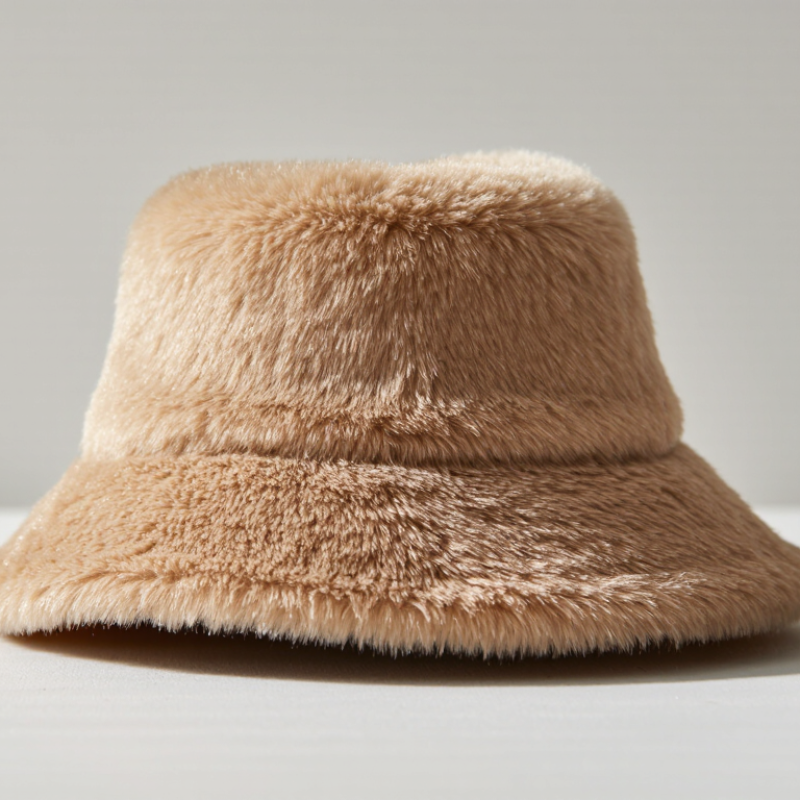
A Fuzzy Bucket Hat is a bucket-shaped hat finished with a soft, plush-looking fabric. Its rounded crown and downward-sloping brim keep the familiar bucket-hat silhouette, while the fuzzy surface gives it a warmer, more tactile appearance. Depending on the design, the pile may be short and velvety or longer and shaggy. That difference changes the hat’s look, feel, and everyday practicality.
The name is not perfectly precise. “Fuzzy” describes a texture, not one specific fiber or construction, so product details matter. Some hats use synthetic fleece or faux fur; others blend materials, and their warmth and care needs can differ. Check the fabric label, lining, brim shape, and cleaning instructions before choosing one. A thick pile can feel cozy on a cool walk, but it may become uncomfortable in damp or mild weather. The brim can offer light shade, though it should not be treated as reliable sun protection unless the maker specifies that purpose. Small details matter. Fit does, too.
For styling, a fuzzy bucket hat adds texture to simple outfits such as a plain sweater, denim jacket, or long coat. Neutral colors are easy to pair, while brighter shades make the hat a focal point. Fit deserves attention: the crown should sit comfortably without sliding, and the brim should not block your view. Because fuzzy materials can flatten or collect lint, gentle storage and label-directed care help preserve their appearance. It is a playful accessory, but not every version suits every season—or every person. Trying one on tells you more than a product photo.
Definition and Origins of the Fuzzy Bucket Hat
A fuzzy bucket hat is a soft hat with a rounded crown, a downward-sloping brim, and a surface made from plush or textured fabric. Its defining feature is the feel: fleece, faux shearling, brushed knit, or shaggy pile can give it a warm, tactile finish. The familiar bucket shape keeps the design recognizable. Soft, not stiff. Unlike a smooth cotton version, a fuzzy hat adds visible texture and often feels cozier in cool weather. The brim may offer some shade, but it is not a substitute for technical sun protection.
The bucket hat’s roots are practical rather than purely decorative. Similar brimmed hats were worn for outdoor work and wet weather; Irish wool hats are often cited among its early influences. Over time, the simple shape appeared in different fabrics and settings, including military and casual clothing. The fuzzy bucket hat is best understood as a later material variation, not a style with one clearly documented inventor or launch date. That history is a little untidy. Plush fabrics can make the silhouette feel playful, but they also change its use: thick pile may hold warmth and feel bulky indoors. A close look at the seams and lining can help explain how comfortable a particular hat will be.
Materials and Construction
A fuzzy bucket hat gets its soft, plush look from the fibers on its outer surface. Common materials include polyester fleece, acrylic yarn, wool blends, and faux-fur fabrics. Each feels different: fleece is often smooth and lightweight, while a longer pile can feel warmer and fluffier. Not always. A dense surface may feel cozy but can also trap heat.
Construction shapes how the hat sits. The crown is usually made from joined fabric panels or a knitted piece, while a stitched brim helps it hold its rounded shape. Look closely at the seams: neat, even stitching can reduce gaps and help the hat keep its form. Some designs include a lining, which can make the inside feel less scratchy and help the hat slide on easily. That small detail is easy to miss.
The fuzzy finish needs a little care. Long fibers may flatten where the hat rubs against a coat or bag, and loose fibers can appear with regular wear. Gentle brushing may lift the pile, but aggressive washing can mat it. Check the care label, since wool blends and synthetic fabrics do not respond to water in the same way. A hat can look soft in a photo and still feel warm or slightly stiff in person; texture depends on the fiber and how tightly it is made.
Common Shapes, Textures, and Design Features
What Is a Fuzzy Bucket Hat?
Common Shapes, Textures, and Design Features
A fuzzy bucket hat pairs a soft, raised surface with the familiar rounded crown and downward-sloping brim. The crown may sit close to the head or have a roomier, slightly slouchy shape. A stitched top panel helps it hold its form, though some styles look intentionally relaxed. Brims vary, too. A narrow brim feels subtle, while a wider one frames the face and offers more shade.
Texture changes the whole impression. Short, dense pile can look smooth from a distance and velvety up close. Longer fibers feel shaggy and catch the light, but may flatten where a bag strap rubs. Bouclé-like loops add a nubby surface; fleece-like finishes tend to look more even. That distinction matters. “Fuzzy” describes a look, not one specific fabric.
Look closely at the seams, lining, and edge finish. A firm brim often has visible stitching that helps it keep its curve, while an unstructured edge may fold more easily. Some hats include a smooth lining, which can make them more comfortable against hair and skin. Others leave the fuzzy material exposed inside, and that can feel warm—or a little scratchy. Check the care label, since pile and lining materials respond differently to washing. The look is not always tidy. That is part of its appeal.
How Fuzzy Bucket Hats Are Worn
What Is a Fuzzy Bucket Hat?
How Fuzzy Bucket Hats Are Worn
A fuzzy bucket hat has a soft, textured surface, often made from plush fleece, faux fur, or brushed knit fabric. Its rounded crown and downward brim give it a relaxed shape. The texture adds warmth and visual interest, so the hat can become the outfit’s main detail. It works well with simple layers, such as a plain sweater, straight-leg jeans, and sturdy boots. On milder days, try it with a light jacket and a cotton shirt. The look should feel comfortable, not overly coordinated.
Wear the brim level for a classic silhouette, or tilt it slightly for a more casual feel. Keep in mind that a deep brim can shade your eyes, especially on windy walks. If the hat feels bulky, balance its volume with clean lines elsewhere: a fitted coat or a simple scarf can help. I sometimes think a fuzzy hat makes an outfit look busier than expected. A quick mirror check helps.
Tips: Match the hat’s texture to the weather, and check its care label before washing. Brush away loose lint gently. For a balanced look, pair a bold color with neutral clothing, or choose a muted hat when your coat already has a strong pattern. The fit matters, too. It should stay secure without pressing tightly against your forehead.
Variations and Basic Care
A fuzzy bucket hat can look quite different depending on its pile, fabric, and shape. Some have short, velvety fibers that feel neat and lightweight. Others use longer, curlier pile for a fuller, more playful look. The texture changes the hat’s appearance, but it can also affect warmth and how easily lint shows. Small details matter. A narrow brim feels less bulky, while a wider one offers more shade. Some styles include a smooth lining, which may feel more comfortable against the forehead. Color can change the impression too: pale shades show marks more readily, while darker ones can make loose fibers harder to spot.
Care depends on the fabric, so check the sewn-in label before cleaning. For everyday dust, gently shake the hat outdoors or use a soft clothes brush in the direction of the pile. Avoid hard scrubbing; it may flatten or roughen the fibers. For a small mark, dab with a clean cloth and cool water, testing an inconspicuous area first. Don’t soak the whole hat unless its care instructions allow it. Shape the brim by hand, then let the hat air-dry away from direct heat. No tumble dryer. Store it loosely on a shelf rather than crushing it under heavier items. One imperfect detail: fuzzy fabric can collect lint even with careful handling, and frequent brushing is not always the answer. Less fuss may preserve its texture better.