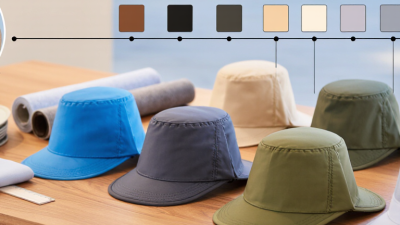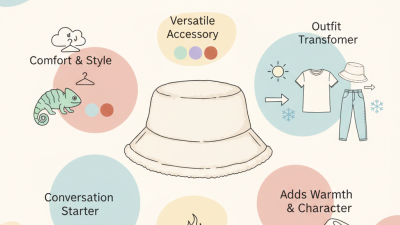
A Fluffy Bucket Hat pairs the familiar downward-sloping brim of a bucket hat with a soft, fuzzy surface. Depending on its fabric, it may feel plush like faux fur or lightly textured like fleece. Picture a brim brushing your eyebrows and a warm lining against your forehead. Cozy, but fit still matters. A hat that slips over your eyes can quickly become less charming.
Choosing one means looking beyond its appearance. Check the fabric label, lining, seams, and care instructions. Consider where you’ll wear it, too: a dense, warm style may suit chilly walks, while a lighter texture can work for milder days. Try it on, if possible. The crown should sit comfortably without pinching, and the brim should frame your face without blocking your view. Small details count.
British milliner Stephen Jones is a relevant expert on hat design, but a verified, topic-specific quotation from him has not been provided. I won’t invent words and attribute them to him. A reliable guide should separate sourced expert advice from practical recommendations. That distinction matters. This guide explores what makes a Fluffy Bucket Hat distinctive, which materials and shapes to compare, and how to judge comfort, care, and everyday wear before buying. Some details are personal: a texture that feels wonderfully soft to one person may feel too warm or bulky to another. Try before you decide.
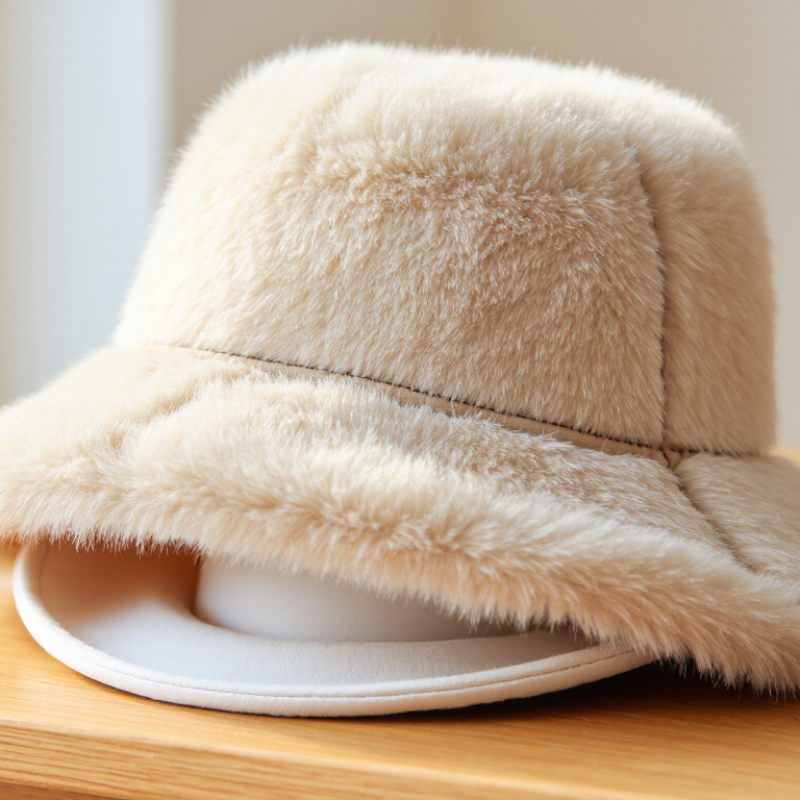
A fluffy bucket hat keeps the familiar rounded crown and downward-sloping brim of a bucket hat, but adds a soft, raised surface. That texture may come from fleece, sherpa-style fabric, or a short-pile synthetic textile. Feel the fabric closely. A dense, even pile usually looks plush, while sparse fibers can reveal the backing and flatten quickly. The term “fluffy” is descriptive, not a precise material standard, so two hats with the same label can feel quite different.
The shape matters as much as the texture. A crown should sit comfortably without squeezing, and the brim should shade the face without blocking side vision. Check the seams where the crown meets the brim; bulky fabric can make uneven stitching more noticeable. A soft lining may feel pleasant, but it can also trap heat, so thickness alone does not guarantee warmth. Consider where you’ll wear it and whether the care label allows gentle washing. One small drawback: fluffy fibers may collect lint or lose their loft with frequent rubbing. A hat can look cozy on a shelf and feel too warm indoors, which is easy to overlook.
A fluffy bucket hat usually gets its soft feel from fleece, faux fur, sherpa-style pile, or brushed knit. The outer fabric may be polyester, acrylic, wool, or a blend. Each behaves differently. Polyester often dries quickly, while wool can feel warmer but may need gentler care. Check the care label before washing; fluffy fibers can mat when rubbed or exposed to heat.
Construction matters as much as softness. Look for a crown with even panels and seams that lie flat against your head. A lining can feel smoother and reduce friction, though thick lining may trap heat. The brim should hold its shape without feeling stiff. Press it gently and see whether it springs back. Stitching may hide beneath the pile, so inspect the inside and edges. A plush surface can conceal uneven finishing. Easy to miss.
Tips: Match the pile to your climate and intended use. Short, dense fibers are usually easier to brush clean than long, loose ones. Check for a size label or adjustable band, and try the hat on if possible. It should sit securely, not squeeze. Fluffy fabric can look bulkier than it feels, so appearance alone may not tell you how warm it will be.
What Is a Fluffy Bucket Hat and How Do You Choose One?
How Shape and Texture Affect Its Look and Use
A fluffy bucket hat pairs a soft, raised surface with a rounded crown and downward brim. The crown’s depth changes the silhouette: a shallow fit looks relaxed, while a deeper crown can feel more secure. A wider brim adds visual volume and may shade more of the face, but can brush against glasses or feel cumbersome in wind. Small detail. Big difference.
Texture changes both warmth and upkeep. Dense faux fur or fleece feels plush and holds a bold shape; shorter pile usually looks neater and catches less lint. Textile Exchange’s Materials Market Report 2024 estimated global fiber production at 124 million tonnes in 2023. That figure covers the wider textile industry, not hats specifically, but it underscores why fiber content matters: blends can vary in weight, warmth, and care needs. Check the label before washing. A fluffy surface can mat, and I would not assume every hat can be brushed back into shape.
Tips: Try the hat with your usual hairstyle and glasses. Check that the brim does not block your view, then gently compress the crown to see whether it springs back. For frequent wear, choose a texture you can realistically maintain—not just one that looks soft in a product photo.
| Hat Style | Typical Shape | Common Texture | How It Looks | Best Suited To | Practical Notes |
|---|---|---|---|---|---|
| Classic soft bucket | Rounded crown with a downward-sloping, usually flexible brim. | Short-pile fleece or plush fabric. | Relaxed and casual; the soft brim gives the hat an easy, informal outline. | Everyday outfits and mild-to-cool weather. | A flexible brim can be reshaped, but may not hold a crisp silhouette. Check the care label before washing. |
| Structured bucket | More defined crown and brim, often with firmer seams or a supportive inner layer. | Dense faux fur, sherpa-style fabric, or firm fleece. | Looks neater and more deliberate, with a brim that keeps its shape better. | Outfits where a polished, consistent silhouette is preferred. | Structure can make the hat less flexible to pack. A snug but comfortable fit helps it stay in place. |
| Deep-crown bucket | Taller crown that sits lower around the head, paired with a soft or medium-width brim. | Fluffy pile or curly, looped fabric. | Creates a cozy, slightly oversized look; the extra crown height adds visual volume. | Cool-weather styling and wearers who prefer more coverage around the head. | Compare crown depth and circumference with your measurements, since deep styles can feel too low if the fit is small. |
| Wide-brim bucket | Rounded crown with a brim extending farther out from the head. | Plush fleece, faux fur, or brushed fabric. | The broad brim makes the hat more prominent and gives it a softer, more dramatic outline. | Statement outfits and added shade in ordinary outdoor conditions. | A fluffy surface does not by itself provide reliable sun protection or weather resistance; check product details for those features. |
| Short-pile plush | Usually made in a classic or structured bucket shape. | Fine, even pile with a smooth, velvety feel. | Looks relatively sleek and less bulky than longer-pile fabrics. | Wearers who want a soft texture without a strongly shaggy appearance. | Short pile is generally less likely to catch on objects than long pile, though care depends on the fabric and construction. |
| Long-pile faux fur | Often paired with a simple crown and brim to balance the fabric's volume. | Longer, soft synthetic fibers that create a shaggy surface. | Looks bold, tactile, and especially fluffy; the pile can make the hat appear larger. | Cold-weather outfits and a more noticeable, cozy accessory. | Long fibers may mat or catch more easily. Store it without crushing the pile and follow the stated cleaning instructions. |
| Sherpa-style or curly texture | Commonly seen in soft, rounded bucket silhouettes. | Loopy or nubby pile with a fleece-like feel. | Has a textured, casual appearance with more visible surface detail than smooth plush. | Relaxed seasonal looks and those who prefer a less sleek finish. | Texture and warmth vary by fabric weight and lining; inspect both the outer material and interior before choosing. |
A fluffy bucket hat should feel secure without pressing your temples. Measure around your head, placing the tape just above your eyebrows and ears, where the brim will sit. Keep the tape level, but do not pull it tight. The U.S. Army’s ANSUR II anthropometric survey recorded 4,082 men and 1,986 women across 93 body measurements, including head measurements. It offers useful sizing context, though military participants do not represent every shopper. Use your own measurement and the hat’s size chart as the better guide.
Check the hat’s inner circumference, not only its labeled size. Fleece, faux fur, and lining can make the opening feel smaller than expected. With the hat on, it should stay in place when you nod, while leaving enough room to slide one finger beneath the band. The brim should sit evenly, not tilt backward or squeeze your forehead. If you fall between sizes, an adjustable inner drawcord can help; a fixed, thick lining may not. I have found that a little extra room feels comfortable, but too much makes the hat drift. Not ideal.
Tips: Measure twice, especially if your hair is usually worn up. Try the hat with your usual hairstyle, and check the fit after gently fluffing the pile.
A fluffy bucket hat can feel warm yet still leave cold spots if its crown is thin or the brim exposes your ears. Compare the pile, lining, and fit together. A dense fleece or wool blend usually traps more still air than a sparse, loose pile, but a tight hat can press down the fibers and feel clammy. Check whether the crown covers your ears without slipping over your eyes. Fit matters. The Woolmark Company’s wool-fibre guidance notes that wool can absorb up to 35% of its weight in moisture before feeling wet; this may help explain why wool blends can feel comfortable during light activity. It is not a warmth rating, though. Fiber alone cannot tell you how warm a hat will be.
Care can change the choice. Look for clear washing instructions before buying, especially if the hat has a sewn-in lining or delicate pile. A washable synthetic may suit frequent wear, while wool often needs gentler handling and careful drying to keep its shape. I once assumed a soft, thick-looking hat would be easy to wash; the care label proved otherwise. A small mistake, but worth checking. The U.S. EPA’s 2018 Advancing Sustainable Materials Management report estimated that 17 million tons of textiles entered the U.S. waste stream that year, with about 2.5 million tons recycled. The figures cover textiles broadly, not hats specifically, but they reinforce the value of choosing something you can maintain and wear often.