China has become a major sourcing base for sun-protective headwear, including bucket hats for brands, retailers, and outdoor organizations. This guide examines China’s top 10 bucket hat sun protection manufacturers through practical buying criteria. These criteria include fabric performance, UPF testing, stitching quality, customization ability, and production consistency.
A reliable manufacturer should explain its material choices clearly. Polyester, recycled nylon, cotton blends, and technical fabrics provide different levels of comfort and protection. Wide brims can shield the face, ears, and neck more effectively. However, brim shape alone does not prove sun protection. Buyers should request laboratory reports, fabric specifications, sample approvals, and clear care instructions.
Factory experience also matters. Strong suppliers usually provide detailed sampling, stable communication, transparent lead times, and quality checks before shipment. Certifications can support trust, but they should be verified rather than accepted at face value. A factory may produce excellent samples yet struggle with large orders. That risk deserves attention. Small differences in stitching, color, or sizing can become expensive across thousands of pieces.
This overview does not treat “top” as a permanent ranking. Market conditions change. New manufacturers may improve quickly, while established suppliers may lose consistency. Our comparison focuses on evidence, not promotional claims. We consider product development, production capacity, testing documents, export experience, and customer feedback. The goal is practical guidance for choosing a dependable Bucket Hat Sun protection partner, even when information is incomplete. Some conclusions may need further verification, and careful buyers should request current samples before signing a purchase agreement.
Sun protection bucket hats are soft, brimmed hats designed to reduce direct exposure to the face, ears, and neck. Their wide, downward brim creates shade while the crown helps cover the scalp. Effective models often use tightly woven fabric, moisture control, and certified UPF ratings. A UPF 50 fabric can block about 98% of ultraviolet radiation when the material and construction meet testing standards.
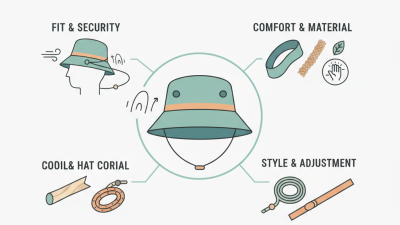
They are popular because they combine daily comfort with practical protection. A lightweight hat fits easily into a travel bag or beach tote. Adjustable cords help it stay secure during cycling, hiking, or windy walks. Mesh panels may improve airflow, but large openings can reduce coverage. That trade-off matters.
Fit matters more than appearance.
Reliable manufacturers should provide fabric details, brim measurements, stitching information, and independent test results. They should also explain how washing affects the fabric’s protective performance. In practical use, a hat can feel cool in the morning but warm under strong midday sunlight. Darker fabrics may shade well, yet they can absorb more heat. I have found that users often ignore the neck area, even when the face is fully covered. A bucket hat is useful, but it cannot replace sunscreen, sunglasses, or careful time management in intense sunlight.
How to Evaluate China’s Bucket Hat Sun Protection Manufacturers
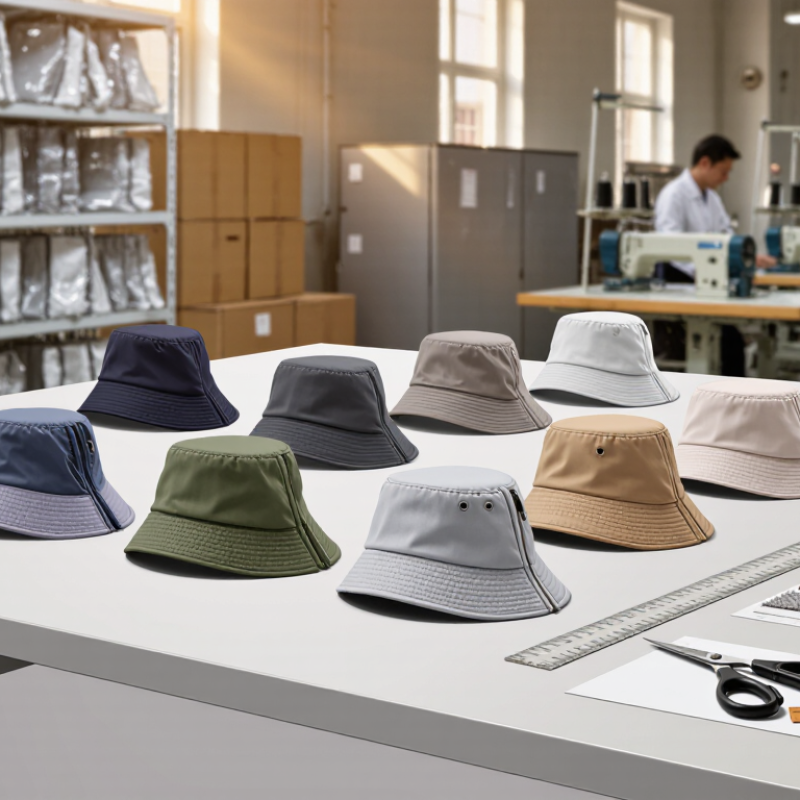
A reliable evaluation starts with factory evidence, not polished product photos. Ask for recent production samples in the exact fabric and color you need. Check the brim width, crown depth, stitching density, and sweatband comfort by hand. A wider brim may protect better, but it can also collapse during packing. That detail matters.
Request independent test reports for UPF performance, colorfastness, fabric composition, and shrinkage. Do not accept a general certificate without matching the report to the supplied material.
I once found a sample that passed a fabric test but used a different lining in production. Small differences can change the result.
Ask how the factory controls fabric lots and records inspection data.
Review the manufacturer’s actual capacity, minimum order quantity, lead time, and replacement policy. A workshop may produce excellent samples but struggle with 5,000 pieces. Request photos or video of cutting, sewing, inspection, and packing areas. Better still, arrange a third-party factory audit.
Check whether workers measure brim size consistently, because a two-centimeter variation affects appearance and coverage. Communication is another practical test. Send a detailed specification sheet and compare the response. Vague answers often become costly revisions.
Leave room for improvement; even experienced buyers can overlook ventilation, fold marks, or weak chin cords.
China’s leading bucket hat sun protection manufacturers are best assessed through evidence, not catalog photography. Grand View Research estimated the global hats and caps market at approximately USD 21 billion in 2023, showing strong demand for functional headwear. China remains important because its factories combine fabric sourcing, embroidery, heat-transfer printing, and high-volume sewing under one supply chain.
For a credible top-ten shortlist, buyers should examine UPF test reports, production records, and sample consistency. China’s GB/T 18830-2009 standard recognizes textiles with UPF above 40 and UVA transmittance below 5% as UV protective. A practical bucket hat should also use a stable brim, breathable sweatband, and tightly woven fabric. The brim matters. A narrow brim can leave the ears and neck exposed during midday wear.
Recent textile industry reports also show growing interest in recycled polyester and traceable manufacturing. However, recycled content alone does not prove better sun protection. Independent laboratory testing remains essential. Factories with in-house inspection can check stitching density, colorfastness, dimensional stability, and UPF performance before shipment. Buyers should request batch-level records rather than one attractive sample.
Some rankings remain imperfect because supplier data changes quickly. A factory may offer excellent sewing quality but limited testing capacity. Another may have strong laboratories but inconsistent subcontractor control. In my experience, the most reliable manufacturers explain these weaknesses clearly, provide corrective-action records, and accept third-party audits without evasive answers.
China’s leading bucket-hat manufacturers differ sharply in quality, pricing, and customization. Quality begins with fabric testing, not appearance.
The World Health Organization and IARC estimated 1.5 million non-melanoma skin cancer cases globally in 2022. This makes verified ultraviolet protection important for serious buyers.
The strongest factories provide UPF test reports, colorfastness results, and stitching samples before bulk production. Look for dense cotton, recycled polyester, or blended fabric with stable shape retention. A wider brim can improve facial coverage, but poor sewing may cause curling after washing. Small details matter. Independent laboratory testing adds cost, yet it reduces uncertainty.
Pricing usually depends on fabric weight, printing method, packaging, and order volume. An industry review by Grand View Research in 2024 identified customization and online promotional demand as important headwear market drivers. Basic hats may offer lower unit prices, while embroidered logos, reversible construction, metal eyelets, and custom labels increase costs. Many factories accept low sample quantities but require higher minimum orders for custom fabrics.
Customization is where the top ten often separate themselves. Some manufacturers offer digital mockups within days. Others need several sampling rounds. Ask for a pre-production sample, wash test, dimensional measurements, and a written delivery schedule. A low quotation can hide setup fees or weaker materials. I would not judge a supplier from photographs alone. Factory visits, third-party audits, and clear inspection standards provide stronger evidence, although even these checks are not perfect.
Selecting a Chinese bucket hat manufacturer requires more than comparing catalog photos. The World Health Organization’s Global Solar UV Index guidance recommends sun protection at UVI 3 or above. Therefore, request tested UPF results, not vague claims such as “UV resistant.” Ask whether testing follows AATCC 183 or AS/NZS 4399. Check the fabric, lining, brim width, stitching, and ventilation separately. A wide brim may protect better, but poor shape recovery can reduce coverage after washing.
Factory evidence matters. Review recent production samples, quality-control records, material traceability, and capacity during peak seasons. Confirm minimum order quantities, sample charges, lead times, packaging, and inspection procedures in writing. Request colorfastness and shrinkage reports, especially for dark polyester or nylon. In practical sourcing work, a low sample price can hide weak finishing and expensive rework. No supplier is perfect; even strong factories may miss small measurement differences.
Tips: Compare three factories using the same technical sheet. Wash-test at least five hats before approval. Measure brim diameter, crown height, seam strength, and UPF performance. Check whether the laboratory report matches the exact fabric and color ordered. A supplier that answers clearly is usually safer than one offering the fastest quotation. Still, communication quality alone proves nothing. Keep signed specifications, approved samples, and inspection photos for every production batch.
| No. | Evaluation Dimension | Recommended Benchmark | Why It Matters | Evidence to Request | Suggested Weight |
|---|---|---|---|---|---|
| 1 | Ultraviolet Protection | UPF 50+ verified under a recognized textile test method; for China-market claims, check compliance with GB/T 18830 requirements. | Confirms the fabric limits ultraviolet transmission instead of relying only on marketing language. | Recent third-party test report covering the exact fabric, color, construction, and finishing process. | 20% |
| 2 | Brim Coverage | A stable brim of approximately 7.5 cm or wider for broad facial and neck coverage, subject to the intended use. | A wider brim generally provides more shade for the face, ears, and neck than a short brim. | Technical drawing, brim measurement tolerance, product photographs, and sample inspection. | 12% |
| 3 | Fabric Composition | Choose composition according to use: tightly woven polyester or nylon for lightweight performance; cotton or blended fabric for a softer hand feel. | Fiber type affects weight, drying speed, comfort, durability, and color retention. | Fiber-content declaration, fabric specification sheet, GSM data, and physical swatches. | 10% |
| 4 | Moisture Management | Use breathable construction, sweat-absorbing inner bands, and quick-drying fabric where outdoor activity is expected. | Helps reduce heat discomfort during travel, sports, gardening, and other outdoor activities. | Moisture-management test results, ventilation details, sweatband sample, and wear-trial feedback. | 10% |
| 5 | Size and Fit Control | Offer measured head-circumference ranges, commonly including adjustable adult sizing for retail flexibility. | A secure fit prevents the hat from shifting in wind and improves practical coverage. | Size chart, adjustment-system specification, measurement tolerance, and pre-production sample. | 8% |
| 6 | Colorfastness and Wash Durability | Set a written minimum performance level for colorfastness, dimensional stability, and appearance after the planned care cycle. | Repeated washing, sunlight, perspiration, and friction can reduce appearance and performance. | Laboratory reports, care-label instructions, wash-test results, and retained production samples. | 10% |
| 7 | Safety and Chemical Compliance | Require compliance documentation appropriate to the destination market, including restricted-substance and general product-safety requirements. | Protects importers and end users from avoidable regulatory, chemical, and labeling risks. | Independent chemical test report, material declarations, labeling files, and factory quality procedures. | 12% |
| 8 | Customization Capability | Confirm capability for custom patterns, labels, trims, packaging, color matching, and functional features such as chin cords or ventilation. | Customization supports market positioning and helps meet different channel requirements. | Development samples, artwork approval process, color standards, tooling details, and change-control records. | 8% |
| 9 | Production and Quality Control | Use documented incoming-material inspection, in-process checks, final inspection, and traceable corrective-action procedures. | Consistent controls reduce defects in stitching, dimensions, logos, color, and packaging. | Quality manual, inspection checklist, defect classification, audit records, and production traceability. | 6% |
| 10 | Commercial Terms and Delivery | Compare MOQ, sample lead time, production lead time, payment terms, packaging, shipping options, and after-sales response. | The lowest unit price may not provide the best total cost or supply reliability. | Formal quotation, capacity plan, lead-time schedule, packaging specification, and written warranty or claims policy. | 4% |